Introduction
Building a campground, RV park, RV resort, or glamping site by a body of water (sea, river, or lake) can be a double-edged sword. On one hand, waterfront locations are highly attractive to campers and travelers for their scenery and recreation opportunities. On the other hand, proximity to water introduces significant risks – especially flooding – that must be carefully managed. This is particularly true in California, a state known for its beautiful coastline and river valleys but also prone to floods. In this article, we explore why developing near water can be appealing, the potential dangers (like flood zones and storm surges), key planning considerations, and when it might be wiser to avoid waterside development altogether. We’ll also examine the financial implications for investors and developers, with a focus on California’s unique context.
The Allure of Waterfront Campgrounds
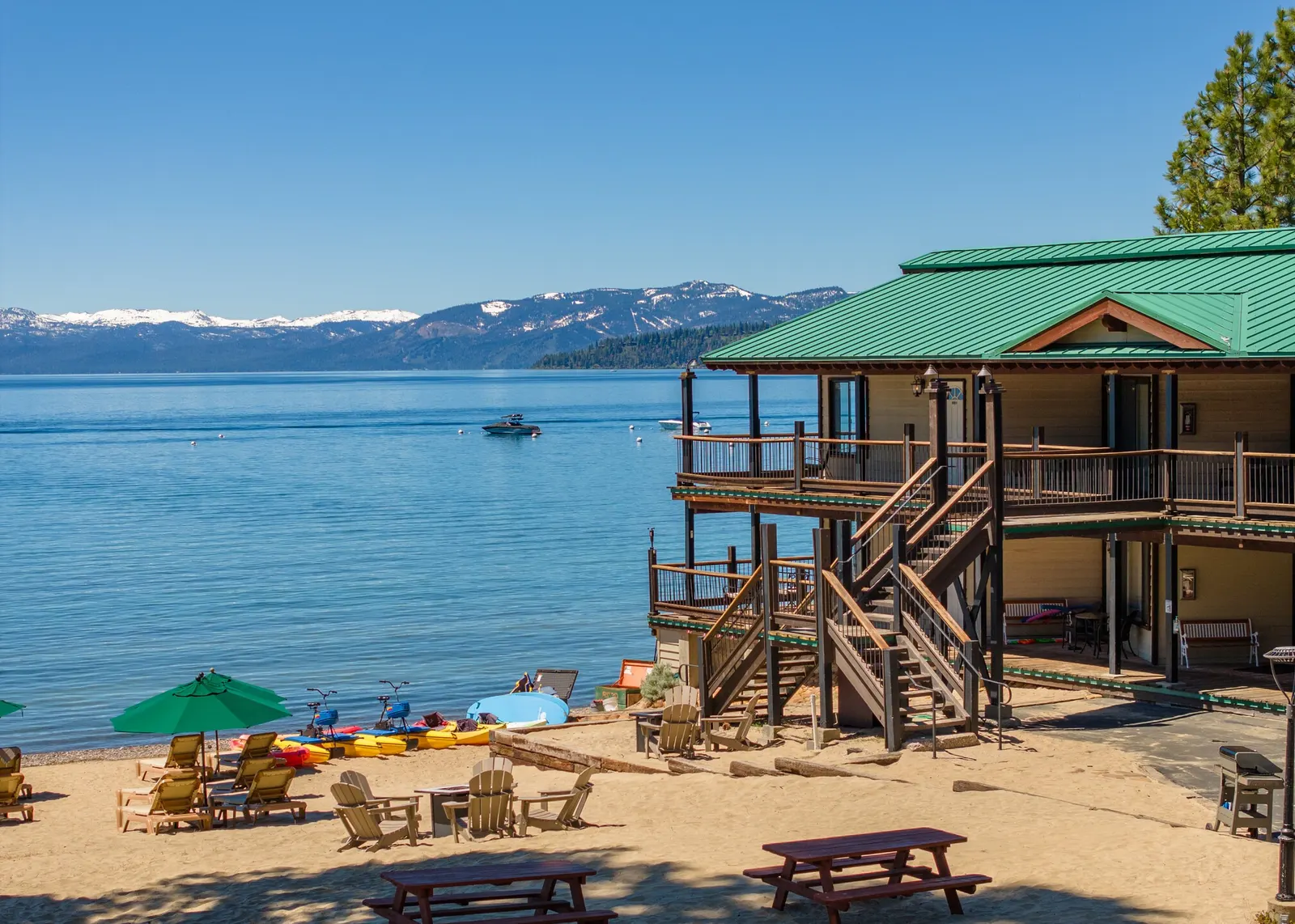
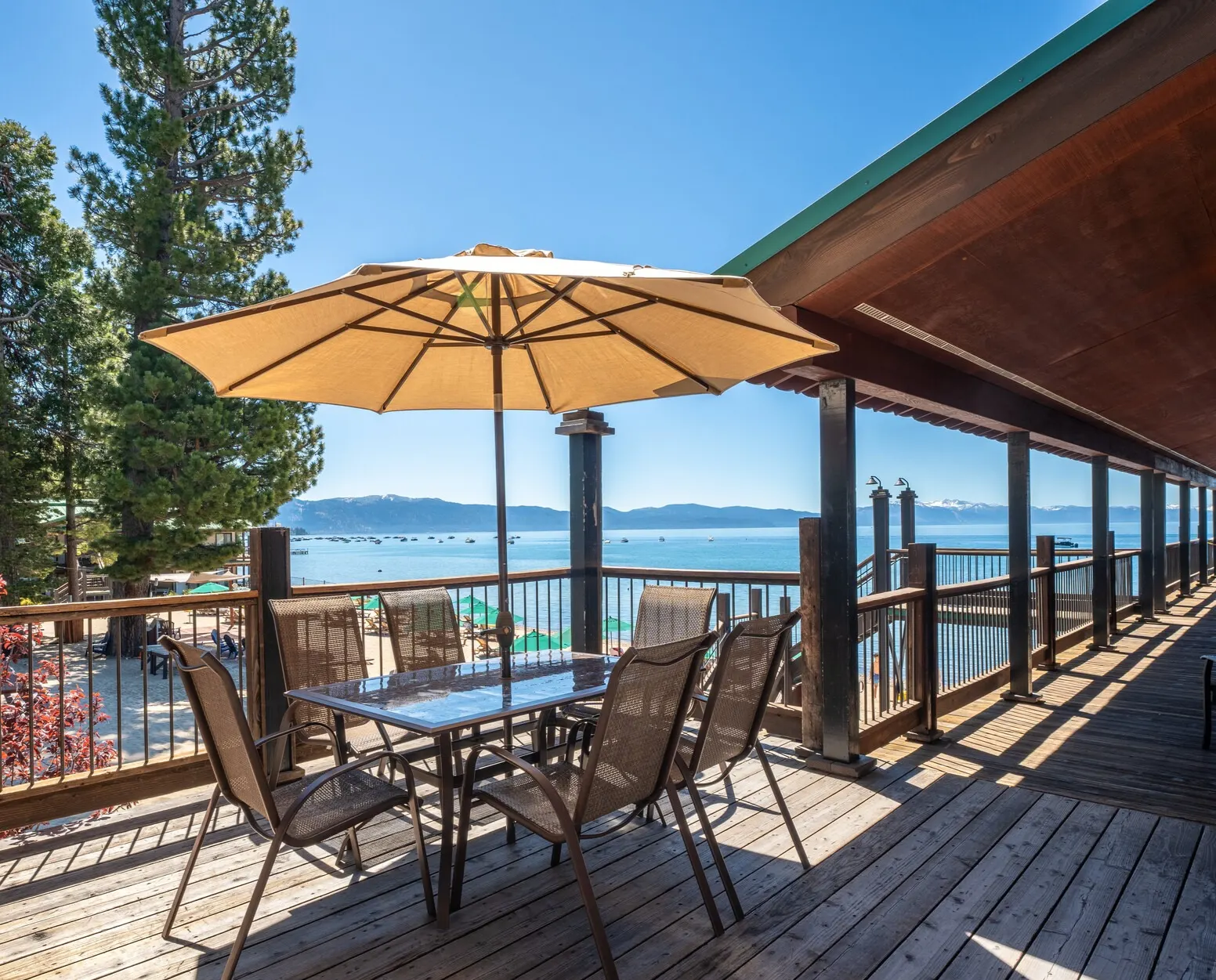
Waterfront campgrounds and RV parks are popular for good reason. Travelers often seek out campsites near oceans, rivers, or lakes for the scenic views and recreational activities they offer. In California, for example, many of the most sought-after campgrounds are on the coast or beside lakes. Beachfront campgrounds are especially in demand – New Brighton State Beach, overlooking Monterey Bay, is “one of the most popular beachfront campgrounds in California”, and it’s no surprise given the bluff-top ocean views and access to the beach. Similarly, campsites by lakes or rivers attract campers interested in swimming, fishing, kayaking, or simply enjoying the calming presence of water. Glamping resorts often market their proximity to water as a luxury experience, capitalizing on the Instagram-worthy scenery of riverfront or oceanfront tent sites.
From a business perspective, a waterfront location can command premium rates and high occupancy. Campground owners know that a riverfront RV slot or a cabin with a lake view can be priced higher than a generic site. Many campers are willing to pay extra for the ambiance and recreation at the water’s edge. In a warm climate, being near water can also offer cooler temperatures and shade (for instance, campgrounds along rivers in otherwise arid parts of California can provide relief from the heat). All these factors mean that, when things go well, a well-planned water-adjacent campground can yield strong customer demand and positive reviews. In short, the “pro” side of a waterfront campground includes: natural beauty, enhanced guest experience, and potentially greater revenue.
Flooding and Other Risks of Building by Water
Despite their appeal, campgrounds by water come with serious cons, chiefly the risk of flooding. Any development in a flood-prone area faces the possibility of high water inundating the property. This risk is very real in California: roughly one-in-five Californians live in areas at risk of flooding, and all 58 counties have experienced severe flood emergencies. Floods in California can stem from river overflows (fluvial floods), flash floods from intense rainfall, coastal storm surges or high tides, and even the re-emergence of historical lakes during extreme wet seasons.
For example, in spring 2023, Yosemite National Park had to temporarily close its valley campgrounds because the Merced River was forecast to reach flood stage. An unusually large Sierra Nevada snowpack (256% of normal) was melting quickly in a heatwave, prompting flood watches and evacuation of low-lying campsites to protect visitors and property. That same season saw parts of the Central Valley inundated – the long-dry Tulare Lake basin refilled with water, submerging land under a vast temporary lake. Any campground or RV park built in such a basin would have been underwater. On the coast, powerful Pacific storms can send waves and surge into seaside camps: for instance, Seacliff State Beach’s campground (Santa Cruz County) was hit by an early 2023 storm that caused extensive damage, forcing its closure and a rebuild. These examples underscore that floods and extreme weather can devastate waterfront campgrounds, leading to costly repairs, long closures, or even permanent loss of use.
Beyond flooding, other hazards accompany water adjacency. Erosion can be a concern – a river might gradually eat away at banks or a coastal bluff could erode, undermining campsites over time. High surf and king tides can batter shoreline facilities (as happened at Seacliff, where a pier was destroyed by storm waves). In certain coastal areas, there’s even tsunami risk (rare but possible in California’s North Coast and elsewhere), which campground emergency plans must account for. Environmental factors are another consideration: wetland or riparian habitats near water are ecologically sensitive, so building too close can disrupt ecosystems and is often restricted by regulations. Additionally, being near water might mean more maintenance issues like corrosion of facilities (due to salt air by the sea) or debris cleanup after high water. Even day-to-day, campground operators by rivers must watch for sudden flash floods – e.g. a thunderstorm upstream can send a torrent through a canyon campground even if it’s not raining on site. The safety liability is significant: a flash flood can endanger lives. (Tragically, events like a 2003 flash flood in Waterman Canyon, CA, swept through a campground with fatalities – a stark reminder of the stakes.)
In summary, the “bad idea” aspect of waterside development is the multitude of risks: flood damage to infrastructure, danger to guests, erosion of land, stricter environmental rules, and the unpredictability that climate change adds. California’s climate is increasingly volatile; experts warn that warming is likely to bring more intense storms and higher flood peaks than historical averages. Coastal flooding risk will also rise with sea level. So, a site that might seem “dry enough” today could face greater flood hazard in the future – a critical point for long-term planning.
Flood Zones, Regulations, and Permits
If you decide to plan a campground or RV park by water, understanding flood zones and regulations is essential. In the U.S., the Federal Emergency Management Agency (FEMA) maps flood zones and designates high-risk areas as Special Flood Hazard Areas (often 100-year flood zones). Different categories carry different rules:
- Floodway: This is the channel of a river or other watercourse (and adjacent areas) that must be kept free of obstructions to allow floodwaters to pass. It’s the highest-risk part of the floodplain, with fast-moving water. Building in the floodway is generally prohibited because it poses extreme danger to life and property. If a portion of your site lies in a designated floodway, you typically cannot put any structures there – that land should be left as open space or used only for very temporary, movable uses.
- 100-Year Floodplain (Zone A or AE): These areas have a ~1% annual chance of flooding. Development is allowed but highly regulated. Key rule: any critical structures must be built above the Base Flood Elevation (BFE) – the expected height of water in a 100-year flood. For example, if the BFE is determined to be, say, 10 feet above a reference point, your cabins, restroom buildings, or other facilities should have their lowest floor above that level. Placing buildings or amenities below the BFE is not allowed due to the flood risk. In practice, this might mean elevating buildings on stilts or fill, or avoiding construction in the lowest portions of the site. Before construction, a site-specific analysis might be required to confirm the BFE for unnumbered A zones.
- Coastal High Hazard Zone (Zone V/VE): These are beachfront or coastal areas that face not just flooding but also wave action. Regulations are even stricter: structures must be elevated on piles or otherwise designed to withstand waves. Also, coastal development in California often triggers additional scrutiny by the California Coastal Commission – for example, new projects may need a Coastal Development Permit and must account for issues like erosion setbacks and future sea level rise in their plans.
- Moderate/Low Risk Zones (Zone X or C): These are outside the 100-year floodplain (or protected by levees) and have fewer restrictions. Building here is safer, though not completely risk-free (floods bigger than the 100-year event can still reach these areas). About 25% of flood insurance claims come from moderate/low risk zones, according to FEMA, so “low risk” doesn’t mean “no risk”.
For any flood-prone site, permits and compliance are critical. Local county or city ordinances implement FEMA’s rules via building permits and floodplain development permits. Typically, you will need to submit plans showing how you’ll meet the elevation and floodproofing requirements. Engineers might have to certify structures can resist flood forces. It’s also required that your project does not divert or obstruct floodwaters in a way that harms others – meaning you can’t unintentionally create new flooding problems for neighboring properties by, say, building a berm that pushes water onto them. Failure to follow floodplain regulations can lead to fines and legal liability, and obviously puts your project and campers at risk.
There are also special rules for RV parks and trailers in flood zones. Because RVs are mobile (and less flood-safe than permanent homes), FEMA’s National Flood Insurance Program (NFIP) has guidelines to prevent them from becoming flood hazards. In a designated flood hazard area, an RV or park model trailer generally must either: (a) stay on site for less than 180 days, or (b) be fully licensed and ready for highway use (wheels on, quick-disconnect utilities, no permanent additions). This ensures that campers can move their RVs out quickly if a flood comes, or that the RVs aren’t essentially permanent dwellings in harm’s way. If you intend to allow long-term or year-round occupancy in a floodplain, you might have to elevate and anchor the units like a fixed home – a potentially expensive proposition.
In California, developers should also be mindful of environmental regulations when near waterways. Besides the Coastal Commission on the seaside, building near rivers or lakes might invoke rules about riparian buffers, wetlands (e.g., under the Clean Water Act or state laws), and wildlife habitat protections. Always check with local planning and water resource agencies. In flood-prone parts of California, some counties have additional restrictions or designations (such as requiring structures to be built even above the FEMA BFE for extra safety). Ultimately, working closely with local authorities and engineers is a must to navigate the permit process and to ensure your waterfront campground is not only legal but as safe as possible.
Planning and Design Strategies for Waterfront Sites
If after weighing the risks you still decide to proceed with a waterside campground or RV resort, careful planning and design can mitigate some of the dangers. Here are key strategies and best practices:
- Choose Higher Ground on the Property: If your site includes some elevated areas or bluffs, place permanent structures (lodges, restrooms, electrical panels) there. Use lower areas nearer the water for less critical, temporary, or recreational uses (like day-use picnic spots or open tent camping that can be evacuated). Building on naturally elevated land dramatically reduces flood damage risk. For example, a glamping campground in Sonoma County deliberately kept all accommodations 100–250 feet back from the riverbank due to flood risk, leaving only a grassy field immediately by the water. In essence, let the river have its space when it swells, and don’t put your most valuable assets in that zone.
- Elevate and Flood-Proof Structures: When building near water, design with floods in mind. Raise buildings above expected flood levels – this could mean using stilts/piers, building on fill (if permitted), or even designing multi-story structures where only the upper level is occupied. Any components below the flood level should be water-resistant (think concrete, closed-cell foam insulation, tile floors rather than wood, etc.) and expendable. Mechanical and electrical systems should be elevated out of harm’s way. Also consider flow: if water does encroach, allow it to pass through – for example, use breakaway skirting or leave open vents in foundation walls to let water flow rather than build up pressure.
- Robust Drainage and Barriers: Implement drainage solutions to channel runoff and minor floods around your facilities. This includes grading the site to slope water away from campsites, installing culverts and French drains, and keeping those clear of debris. In some cases, earthen berms or floodwalls can shield a campground from rising water, though these must be carefully engineered to avoid redirecting water toward others. Even small berms or raised pads for individual RV sites can offer protection against shallow flooding. However, be cautious – any barrier must not inadvertently trap water on your site if overtopped. Natural landscape features can help: swales, retention ponds, or vegetated buffer zones can absorb floodwaters. Some campgrounds have used permeable pavements and green infrastructure (like rain gardens) to handle stormwater sustainably.
- Emergency Planning and Warning Systems: Because you cannot eliminate flood risk entirely, be prepared for emergencies. Develop a flood evacuation plan and train your staff and guests on it. This includes clearly marking evacuation routes to high ground, having a reliable communication method (e.g. text alerts or loudspeakers on-site) to warn campers if they need to leave, and designating safe assembly points. Some modern campgrounds partner with weather monitoring services or use river gauge alarms – for instance, a campground by a river might set an alarm if water reaches a certain height upstream. Early warning is key, especially for flash floods at night. As an operator, you should stay vigilant: monitor forecasts, river levels, and flood watches, especially during California’s winter storm season or spring snowmelt. Many California campgrounds (public and private) post notices to guests about this. For example, an RV resort on the American River provides updates on river flow and urges guests to heed flood warnings and safety protocols when waters rise.
- Seasonal Operations and Flexibility: Consider making your waterfront campground seasonal if the flood risk is tied to a season. In some high-risk areas, it might be prudent to close or reduce occupancy during the peak flood period (e.g. late winter/early spring for rivers fed by snowmelt). If using canvas glamping tents or movable structures, design them to be easily taken down or relocated if a flood threatens. In extreme cases, you might even have an arrangement to move RVs or tiny cabins to a storage area if a major storm is forecast – though this is logistically challenging, it could save a lot of property.
- Design for Cleanup and Resilience: Accept that some flooding may occur and plan for quick recovery. This means using materials that can get wet and be cleaned (vinyl or composite decking, metal furniture, concrete picnic tables, etc.), anchoring down anything that could float away, and perhaps segmenting the campground so that one flooded section can be closed off while others remain open. Fast-drying landscaping (like gravel pads instead of grass in some spots) can also help the park reopen faster after minor inundation. Keep equipment like pumps, sandbags, and erosion control fabric handy on site – they can be invaluable in a flood emergency and during recovery.
By combining these strategies, a campground can significantly reduce the risk to life and property even when near water. An expert in flood-safe design noted that “designing campsites with flood resilience in mind is not only essential for camper safety but also for environmental sustainability” – meaning that working with nature (respecting floodplains, using natural drainage, etc.) makes for a safer and more eco-friendly outcome.
When to Walk Away from a Waterfront Idea
Sometimes, the smartest plan is not to build by the water at all. As enticing as a waterfront location is, there are situations where the risks outweigh the rewards. Investors and developers should be willing to leave the idea if certain red flags appear:
- If the site is mostly high-risk floodplain or floodway. A small corner of floodplain on a large property might be manageable, but if most or all of your parcel lies in a flood zone that regularly floods, it’s a major warning sign. As one RV park investor puts it, not every floodplain designation is a deal-breaker, but if the majorityof the park is in it, you need a very deep evaluation of potential problem. For instance, a low-lying river island or a coastal marsh is probably not a wise spot for a campground. Floodway areas, as noted, are basically off-limits for development. The bottom line: if you can’t reasonably engineer the risk down to an acceptable level, don’t build there. There are plenty of other scenic places that won’t routinely be underwater.
- If historical data shows frequent severe flooding. Always research the site’s flood history. Talk to local residents, check news archives, and look at FEMA flood insurance claim maps. Sometimes an area might be mapped as floodplain but never actually flooded in living memory – or vice versa, it floods more often than the maps indicate. In either case, you want to know. If a campground site has seen multiple floods in the last decade, consider that a big strike against it. As a due diligence step, reviewing the site’s flood history can reveal patterns (maybe it floods every few years with heavy damage). No investor wants a campground that becomes a lake every other year.
- If mitigation costs would erode the project’s viability. It’s important to realistically budget what it would take to make a high-risk site safe. Will you need to import tons of fill dirt, build elevated pads, or construct retaining walls? Will you lose a big portion of the land to required open space for water flow? These mitigation measures cost money. If the expense of engineering, insurance, and future retrofits makes the financial returns marginal, it’s better to walk away early. Remember, nature can deliver bigger floods than anticipated – so even expensive defenses aren’t foolproof. If you find yourself needing complex levee systems or stilts for every structure just to meet minimum codes, that site might be more trouble than it’s worth unless the location is extraordinarily prime.
- If you can’t get insurance or financing. In some cases, insurers may refuse to cover a property with excessive flood risk (or the premiums are sky-high). Lenders likewise might hesitate to finance a campground construction loan if the collateral is at high risk of flood damage. California’s average flood insurance premium in 2024 was already around $900/year and rising – higher-risk areas can pay much more or be uninsurable through standard programs. If you hit a wall obtaining the necessary insurance, that’s a sign to reconsider the location.
- If environmental permits are not feasible. Waterfront areas often have protected environmental status. If the site is, say, critical habitat for an endangered species or part of a wetland preserve, regulators may not allow development or will impose heavy restrictions. In California, the Coastal Act and other environmental laws can outright prevent building too close to certain shorelines or require a project to relocate further inland. If after consulting with agencies it appears you’ll face a protracted battle (or impossible conditions) to build near the water, it may be prudent to find an alternative site.
- If safer alternatives exist nearby. Sometimes moving a project a short distance can change the risk dramatically. For example, a campground 50 feet from the river might be very flood-prone, but a spot 500 feet away on higher ground could be mostly safe while still providing river access via a trail. If you have the option to acquire or use land slightly removed from the water (or on a hill above a lake rather than right on the shore), strongly consider it. Sacrificing a bit of immediate waterfront real estate can save you enormous headaches and still let guests enjoy the water with a short walk.
In essence, know when to fold ’em. If all signs point to a future filled with flood emergencies, expensive damage, and sleepless nights every time it rains, then the picturesque location isn’t worth the trouble. There are cases where developers have indeed walked away from deals in floodplains after careful analysis – or conversely, where they insisted on proceeding and later regretted it. As one industry expert advises, gather all the facts and “make an informed decision before walking away from a deal that could still be worth pursuing” – but be ready to walk if the facts tell you the idea is too risky.
Financial Considerations: Balancing Profit and Risk
From an investor’s standpoint, waterfront campgrounds present a mix of financial upsides and downsides. It’s crucial to factor in both for a realistic business plan.
Potential Financial Benefits:
- Higher Revenue Potential: The location appeal of water can translate to higher nightly rates and occupancy. A campsite with lake views or beach access might charge premium rates and still book out quickly in high season. For example, in California’s competitive camping market, sites at popular beach campgrounds or river resorts often sell out months in advance at top dollar. This popularity (as noted with New Brighton SB being a “favorite destination”) indicates strong demand, which can mean solid cash flow for the operator. If you develop a unique glamping resort by a coveted waterfront (say, a wine country river or a quiet lake), you might tap into lucrative niches of tourists and even host events (weddings, retreats) that seek that water backdrop.
- Market Differentiation: Having water-based amenities – like a marina, boat rentals, fishing tours, or a private beach – can diversify your income. It’s an added value that non-water competitors can’t easily replicate. This could allow you to earn money from equipment rentals or guide services, boosting overall return on investment. Additionally, a beautiful waterfront property might appreciate in value over time (assuming it doesn’t get regularly ravaged by floods), which could mean a higher resale value if you ever sell the campground.
- Land Cost Opportunities: Interestingly, if a parcel is in a known flood zone, you might acquire it cheaper than comparable dry parcels. Sellers know about the risk, so the purchase price might reflect that. If you have the expertise to mitigate the risk effectively, you could turn a bargain piece of risky land into a profitable enterprise. In California, developable land is expensive, so a slightly compromised location might be the only affordable way to get that lakeside property – just be sure the discount truly compensates for the risk.
Financial Drawbacks and Costs:
- Infrastructure and Compliance Costs: Building to withstand floods can be expensive. Elevating buildings, installing drainage systems, using specialized materials – all add to your up-front development budget. Ongoing maintenance of these features (clearing drains, inspecting stilts, etc.) is another cost. You may need to invest in things like backup generators (in case power is lost during storms) or water treatment systems if flooding contaminates wells. All these mitigation measures eat into profit margins.
- Insurance and Liability: Operating by water means you should carry robust insurance – not just property insurance for flood (which typically requires a separate flood policy, often through NFIP), but also liability insurance in case guests have accidents (e.g. drowning risks, which are higher near water). Flood insurance in California tends to be pricy, and it may not cover all assets (campground infrastructure like roads or landscaping might not be fully insured). Plus, NFIP policies cap coverage amounts, which may not fully replace a high-end glamping resort’s losses. Some owners purchase additional private flood coverage or set aside an emergency fund. These expenses can be significant. It’s worth noting that business interruption insurance has limitations with floods – typically, it will cover lost income during the closure, but often stops as soon as you can reopen, even if customers are slow to return. So one bad flood could mean not only hefty repair bills but also a long period of lost revenue that isn’t fully reimbursed.
- Revenue Volatility: If your campground must occasionally close for floods or storms (as Yosemite Valley’s did, or as coastal campgrounds do during winter king tides), you’ll face downtime with no income. Even if such closures are temporary, they might coincide with peak season or holidays, causing a disproportionate hit to your annual revenue. Moreover, news of floods can hurt consumer confidence – a camper who saw images of your park underwater on the news may hesitate to book next time. You might have to spend on marketing or discounts to woo back guests after a flood event. In extreme cases, you might be forced to operate seasonally (closing during the risky months), limiting your earning season compared to a year-round facility.
- Financing Challenges: Lenders could require higher equity or interest rates for a project in a known hazard area. They might mandate that you carry ample insurance or have a detailed disaster response plan as a loan condition. All of this can make financing more complex or costly. From an investment perspective, a higher risk profile often demands a higher expected return – so you must assess if the projected profits truly compensate for the added risk and headaches. Investors will do sensitivity analyses: What if a 100-year flood happens in year 5? Does the project survive financially? If the answer is no, the project might not be bankable without adjustments.
- Repair and Depreciation: Flood damage, even minor, can accumulate. Each time equipment gets wet or roads wash out, you’re spending on repairs and your assets depreciate faster. Over years, a flood-prone campground might have higher capital expenditure just to replace and refurbish. This reduces the net profit you can take out, as more must be reinvested into the property’s upkeep.
To put it simply, the financial equation must account for both the “sunny day” revenue potential and the “rainy day” costs. A waterfront campground in California can indeed turn a great profit during good years when the weather cooperates and tourists flock in. But a prudent developer will plan for the bad years too – ensuring there’s a safety net of funds, insurance, and solid design to weather literal storms.
Pros and Cons Summary for Waterfront Campground Development
For clarity, here’s a summary of the key pros and cons of planning a campground/RV park by water (with a California focus):
Pros (Why It’s a Good Idea):
- Strong Customer Appeal: Beautiful water views and access to activities (swimming, boating, fishing) attract more campers and allow higher rates. A well-sited waterfront resort can build a very positive reputation and loyal customer base.
- High Demand in California: Given the popularity of coastal and lakeside camping in California, a new campground by water taps into an existing high-demand market. It can often fill up faster than an inland counterpart, boosting occupancy.
- Recreational Opportunities and Amenities: You can offer on-site recreation (beach, dock, kayak rentals, etc.), creating additional revenue streams and enhancing the guest experience. This can set your business apart from others.
- Climate Advantage: In hot inland parts of California, being near water can moderate the microclimate (cooler temps, shade from riverside trees), making your campground more pleasant during peak summer. This can extend the camping season or make your property the preferred choice in the area during heat waves.
- Potentially Lower Land Cost (Case-Specific): In some instances, you might acquire a water-adjacent property at a discount if part of it is considered unbuildable floodplain. If managed wisely, you get the benefit of location without having paid full price for it – improving your return on investment if you can avoid the worst-case flood scenario.
Cons (Why It Could Be a Bad Idea):
- Flood Risk and Damage: The foremost con is the risk of floods causing catastrophic damage to your campground. Facilities, equipment, and possibly even the land itself can be ruined. Floods can lead to costly rebuilding or permanent closure (as seen with parks hit by severe storms in CA). This risk is ever-present and growing with climate change.
- Safety Hazards: You carry a greater safety responsibility. Flash floods or high waters can endanger guests; you need robust evacuation plans and constant monitoring. Liability concerns are higher near water (including drowning or water-related accidents), which can raise insurance costs and legal exposure.
- Regulatory and Construction Hurdles: Building near water involves navigating a maze of regulations – floodplain building codes, environmental permits, coastal commission approvals, etc. These can delay the project and add design constraints (like required elevation, setbacks, or prohibited areas). Compliance can drive up construction costs and limit how you use the land (e.g., you might lose use of prime waterfront spots due to required open space for flood flow).
- Higher Operating Costs: Expect to spend more on maintenance and preparedness. You may need to repair roads after each winter, clear debris, treat water due to contamination after floods, and continually invest in mitigation (e.g., reinforcing riverbanks). Insurance is also more expensive. Over time, these costs add up and eat into profits.
- Business Interruption: Floods, storms, or even heavy rainfall can force you to close temporarily – sometimes during peak season – resulting in lost revenue. Even infrequent events can make your income stream less reliable year to year. If a portion of your site is unusable in wet winters, that’s fewer sellable nights. In California’s competitive camping industry, closing your doors while others remain open could also cede market share to competitors.
- Environmental Vulnerability: You are more exposed to natural forces – not just floods, but erosion, mudslides on saturated slopes, or wildfire risk in drought followed by floods (burn scars can create debris flows). California’s environment can swing from drought (which might lower a lake and hurt the waterfront appeal) to flood. Designing for both extremes can be very challenging.
Conclusion
Planning a campground or RV resort by the water in California is a classic case of high risk, high reward. The idea holds undeniable charm: who wouldn’t want to wake up to ocean waves or a peaceful river outside their tent? Many developers and investors are drawn to these locations for the competitive edge and experience they offer. Indeed, when executed well, a waterfront campground can become a hallmark property with loyal visitors and strong financial performance in fair weather.
However, the risks cannot be overstated. Floods are California’s “most pernicious natural hazard” in terms of potential damageg, even if they occur less frequently than wildfires. As we have discussed, being in a flood zone requires strict adherence to safety practices – elevating structures above flood levels, securing proper permits, and preparing for the worst. Neglecting these precautions is courting disaster. The stories of campgrounds flooded by spring melt or battered by coastal storms are cautionary tales that every developer should heed.
Ultimately, due diligence and realistic planning are paramount. If you’re considering a water-adjacent site, thoroughly evaluate the flood maps, historical flood records, and future climate projections. Consult engineers on what it would take to protect the site, and calculate whether the economics still work after that. Engage with local authorities early to understand what permits or modifications they will require. In some cases, you might discover that a slightly different location or design (perhaps set back a bit from the water, or elevated on a natural rise) can offer a similar guest experience with far less risk.
For investors, it’s about aligning the project with your risk tolerance. Some floodplain projects can be managed – for example, if only a few campsites are at risk and you can relocate those during high water, the financial risk might be limited. But if an entire resort would be crippled by a 50-year flood, think hard about whether that’s a gamble worth taking. As one veteran RV park investor noted, a floodplain issue “doesn’t always spell disaster” if you plan and mitigate well, but you should “carefully assess the risk, explore mitigation options, and plan for the worst”. In other words, hope for sunny skies but plan for rainy days – and if the plan still looks good, then you may proceed to build that waterfront campground dream.
In conclusion, building by water in California can be very rewarding, but it requires a responsible, well-informed approach. Embrace the beauty and the popularity of the water – but do so with respect for the power of nature. If you do, you can create a campsite that delights guests on the good days and keeps them safe on the bad days, all while sustaining a profitable business. If not, it might be better to leave the water’s edge to the fish and camp a little further uphill.
Sources:
- FEMA Floodplain Management Bulletin (Elevation Requirements)
- National Park Service closure notices (Yosemite Spring 2023 flooding)
- California Department of Water Resources – Flood Risk and Mitigation
- California Coastal Commission – Sea Level Rise Policy Guidance
- State of California Hazard Mitigation Plan
- RV park investor interviews and planning guides
- California Department of Insurance – Flood Insurance Statistics
- USGS reports on Tulare Lake and Central Valley flood zones
- Sonoma County floodplain regulations and glamping development examples
- California State Parks campground updates (e.g., Seacliff State Beach)
- NOAA/NWS flood watch and river monitoring advisories
- FEMA National Flood Insurance Program (NFIP) guidance for RVs and trailers
- Best practices in flood-resilient campground design and construction
- California State Parks coastal campground popularity rankings