Introduction
California’s outdoor hospitality scene is booming, and RV parks and RV resorts have become a focal point for new developments. With Americans increasingly embracing road trips and mobile living, the Golden State has seen surging demand for RV accommodations. Nearly half of travelers planned an RV vacation within a year (with 70% of Millennials interested in RV trips) according to recent surveys. This trend, combined with California’s year-round mild climate and iconic destinations, makes building RV parks an attractive venture. But why are investors building RV parks instead of other projects, and what considerations go into designing a successful park or resort in California? In this comprehensive guide, we explore the financial and architectural aspects – from ROI and market demand to design, maintenance level, and optimal size – to help investors and developers make informed decisions. The focus is California-specific, reflecting the state’s unique opportunities and challenges, and all insights are presented in an informative, professional style.
Why Invest in an RV Park Instead of Other Developments?
RV parks blend real estate with hospitality, offering rental pads for travelers who bring their own accommodations (their RVs). This hybrid model carries unique investment advantages compared to building traditional housing or hotels:
- Higher ROI Potential: RV parks typically offer higher returns than many other real estate assets. Industry analyses show average ROI ranging 15%–20% for RV parks, versus roughly 10%–12% for multifamily properties. Lower construction costs (no expensive buildings for each guest unit) and strong cash flows from nightly rentals contribute to these robust cap rates. By comparison, stabilized apartment complexes often yield lower cap rates (~4–6%), making RV parks an attractive alternative for investors seeking strong financial returns.
- Lower Construction and Maintenance Costs: Building an RV park generally requires less complex infrastructure than constructing homes or hotels. Developers primarily need to prepare land, roads, and utility hookups – guests bring their own living quarters. Ongoing maintenance is also lower: owners aren’t maintaining dozens of buildings or units as in an apartment complex, just the grounds and shared facilities. Major operating expenses tend to be utilities, landscaping, and facility upkeep, while RV owners handle their vehicles’ maintenance. This leaner operational model translates to lower overhead. As one analysis notes, RV park owners “provide land and hookups” and avoid costs like interior unit repairs, which significantly reduces operating costs versus traditional rentals.
- High Occupancy and Growing Demand: RV parks enjoy strong occupancy rates driven by diverse guest streams – from vacationing families to retired “snowbirds” to traveling workers. In California, demand often outstrips supply. The state’s numerous attractions (national parks, beaches, theme parks) draw RV tourists year-round, and a housing crunch has even led some to live semi-permanently in RVs. As a result, many California RV parks operate at high occupancy with months-long booking lead times. This reliable demand makes well-located RV parks a stable income generator, especially when compared to riskier hospitality ventures.
- Less Competition (Underserved Market): Developing new RV parks is not easy – zoning restrictions, environmental regulations, and NIMBY opposition create barriers to entry. In California, RV parks are often regulated like mobile home communities, with stringent permitting that has kept supply static. Paradoxically, these hurdles benefit those who do succeed in building a park: fewer competitors enter the market, and existing parks face limited competition in many regions. In short, demand is rising but new supply lags – an advantageous scenario for investors who can develop in an underserved locale.
- Easier Tenant Management: Unlike apartment tenants with year-long leases, RV park guests typically pay nightly or weekly upfront. This reduces risk of delinquencies or evictions – if someone overstays or doesn’t follow rules, park operators can ask them to leave relatively easily. There is no need for complex eviction proceedings as in residential properties. The transient nature means less worry about long-term tenant issues, though it does require consistent marketing to keep sites filled.
- Multiple Revenue Streams: An RV park’s income isn’t limited to site rentals. Owners often diversify revenue with ancillary services – on-site convenience stores, propane sales, laundry facilities, equipment rentals (bikes, kayaks), Wi-Fi or cable upgrades, and even recreational programming. Premium amenities can justify higher rates (more on this in the resort section). These extra profit centers boost the bottom line, helping offset seasonal dips and enhancing ROI. Real estate investors appreciate that, beyond land appreciation, a well-run RV park functions like a business with various income channels.
Bottom Line: Investors and developers are building RV parks because they hit a sweet spot – lower development cost, high demand, strong returns, and manageable operations. Especially in California, where tourism is big and RV sites are scarce, a new park can fill a real market need. Of course, any project’s success hinges on doing proper feasibility analysis and choosing the right concept for the location (as we’ll explore next), but the fundamentals of the RV park industry today are solidly in favor of those who enter it.
Is It Still Worth Building New RV Parks in 2025?
With RV travel’s pandemic-era boom normalizing, some investors ask whether new parks are still a good idea going forward. The evidence points to yes – demand remains strong and likely sustainable, though careful planning is required. Here’s a look at current market trends by the numbers and why California remains ripe for new RV parks and resorts:
- Post-Pandemic Plateau, Then Steady Growth: After the record RV sales of 2021, the market cooled slightly, but is stabilizing at a high level. This means hundreds of thousands of new RVs hitting the roads each year. The craze of 2020–21 has evolved into a sustained trend – people still want the freedom of RV travel. For California, which boasts scenic drives from the Pacific Coast Highway to Yosemite, this translates to a consistently growing customer base of RV travelers in need of places to stay.
- Persistent Undersupply (Especially in California): The surge in RVing revealed a national shortage of campsites. Popular areas often have a “campsite crunch.” California exemplifies this: it has enormous camping demand but has added very few new RV parks in recent years due to complex permitting and strict environmental rules. RV park developments can face the same red tape as housing projects in California. Consequently, many existing parks run near capacity, and prime destinations have waitlists in peak season. This underserved market indicates strong opportunity – if you can navigate the approvals to build a quality RV park, chances are it will quickly attract business in California. Put simply, camper demand exceeds available sites in much of the state, so new parks can thrive if properly located and designed.
- Shifting Demographics Boost Demand: The profile of RV travelers has broadened, reducing traditional seasonal slowdowns. Younger campers take more frequent weekend trips and off-peak getaways, keeping parks busy beyond summer. The rise of the “work-from-RV” lifestyle is also significant – remote workers are living in RVs for weeks or months, turning campgrounds into semi-residential bases with Wi-Fi and office setups. Many parks report higher mid-week and winter occupancy thanks to these digital nomads. In California, tech-savvy professionals might escape high rents by working from a coastal RV resort or a desert campground with broadband. This trend lengthens the season and stabilizes income for park owners, making new developments viable year-round rather than just during traditional vacation months.
- Domestic Tourism and Outdoor Recreation: Even as air travel resumes, Americans continue to favor domestic road trips and outdoor vacations. RV travel is seen as a safe, flexible, and cost-effective alternative to flying and hotels. California, with its diverse landscapes – beaches, mountains, national parks, wine country – is a top beneficiary of this trend. Regions with natural beauty and drivable vacation loops are expected to see sustained RV camper influx through 2030. This bodes well for new RV parks built near California’s key attractions or along popular routes (think Highway 101, I-5, I-10 for snowbird traffic, etc.). Additionally, high housing costs in coastal California have led some to live in RVs full-time, which can boost off-season occupancy at parks near cities. (Notably, some counties cap long-term stays to keep RV parks from becoming permanent housing – more on regulations later).
- Rising Rates and Revenue Potential: High demand and limited supply allow California RV park operators to charge premium nightly rates, especially for resort-style parks or well-located properties. Many parks have also increased prices in peak season knowing that alternatives are few for travelers. While inflation and interest rates are factors to mind (financing costs for new construction are higher now than a few years ago), the income side for RV parks is very promising. Strong occupancy coupled with dynamic pricing (seasonal or holiday rate boosts) and ancillary revenues means new parks can achieve healthy gross incomes. In fact, when done right, an RV park can generate hotel-like revenues but with far lower staffing and maintenance costs.
Bottom Line: It is still very much worth building RV parks and RV resorts in 2025 and beyond, especially in California’s high-demand areas. The growth drivers (younger campers, remote work, outdoor recreation) appear structural and long-term. That said, success isn’t automatic – it requires strategic planning. Investors should conduct feasibility studies to evaluate local competition and ensure they aren’t entering an over-saturated pocket. A few regions could tip toward oversupply if numerous projects launch at once, so local market research is key. Generally, though, California has more underserved locations than overbuilt ones when it comes to RV camping. With due diligence on location, demand, and regulatory hurdles, developers can position new RV park projects to ride this sustained wave of RV travel popularity.
RV Park or Something Else? Evaluating Development Options
If you have land in California, you might wonder: Should I build an RV park, or are there better uses like a glamping resort, motel, or housing? The answer depends on your goals and the property, but RV parks often hit a compelling balance of cost and return. A consulting analysis comparing development types highlights some differences:
- RV Parks vs. RV Resorts: First, within outdoor hospitality, decide if a standard RV park or an upscale RV resort fits your vision (we’ll detail design differences in the next section). Both cater to RVs, but RV resorts include more on-site amenities and services, functioning almost like a vacation resort for people with RVs. They require a larger investment and ongoing management (like hosting activities, maintaining pools/spas, etc.), but can charge higher rates and attract longer stays. A basic RV park is more minimalist – essentially a safe, clean place to park with hookups, targeting travelers who primarily need an overnight stop or a basecamp while they explore off-site. The choice here depends on market demand and budget: Is your location a destination where people want to stay and relax on-site (favoring a resort with recreational facilities)? Or is it a quick stopover or budget-friendly locale (suitable for a simple park)? Later we’ll discuss low-maintenance vs. high-maintenance models which ties into this decision.
- Glamping or Alternative Outdoor Accommodations: Another option is a glamping resort – offering furnished tents, cabins, or tiny homes instead of RV sites. Glamping targets a different segment: those without RVs who still want an upscale camping experience. California’s beautiful landscapes have seen many glamping sites pop up, from wine country safari tents to Joshua Tree eco-huts. Glamping can yield high nightly rates but operates more like a hotel (you must clean and maintain each unit, provide beds and linens, etc.), so costs and labor are higher. It may also be seasonal in parts of California (e.g. mountain areas in winter). If your land is in a spot with tourism appeal but limited RV traffic, glamping could be an alternative. However, glamping is a different business model – more capital per unit and intensive hospitality service. Some developers actually combine both: an RV park with a section of rental cabins or glamping tents to capture both markets.
- Motel or Traditional Lodging: For roadside locations, one might consider a small motel instead of an RV park. Motels require constructing a building with multiple rooms, which means higher upfront cost and different skills (e.g. dealing with building codes for occupancy, fire safety, etc.). Operationally, motels need daily housekeeping, front-desk staff, and have more utilities per guest (heating/cooling each room, etc.). RV parks, in contrast, push those lodging costs onto the guest’s RV. From an investor perspective, RV parks often yield better cap rates because revenue is high relative to the development cost (you’re mostly monetizing land), whereas a motel’s revenue must cover the substantial cost of the structure and furnishings. In a market like California with high construction expenses, an RV park can be a more cost-effective path to hospitality income than building a hotel or motel from scratch. That said, motels can make sense in very specific high-traffic highway stops or if zoning won’t allow a campground but permits a lodge.
- Multifamily or Other Uses: In some cases, a piece of land might be suitable for an apartment complex, housing development, or other commercial use. Developers should evaluate highest-and-best use: what yields the best returns given local demand and constraints? Multifamily housing in California has strong demand too, but also significant challenges – sky-high construction costs, strict affordable housing requirements, and lower cap rates on stabilized assets. By comparison, a well-run RV park can generate cash flow more quickly and with less red tape in areas zoned for it. Additionally, zoning for RV parks can sometimes be easier to obtain on rural or semi-rural land than approval for apartments or retail. An RV park might be the only viable commercial use on a rural highway parcel, whereas housing wouldn’t get approved there or wouldn’t attract tenants. In essence, if your land is near natural attractions or travel corridors, an RV park/resort often aligns with the location’s character and demand, whereas forcing a different use might be less optimal.
In summary, building an RV park or resort is often a smart play in California when the goal is to leverage the state’s tourism and outdoor movement. It offers a blend of real estate and hospitality that, if executed well, can outperform more traditional developments on the same site. Of course, it’s wise to compare scenarios – run the numbers on a small motel or even selling the land – but many developers find the RV park business model uniquely appealing. It provides flexibility (you can adjust rates or uses seasonally), diversified income, and you’re essentially investing in land that tends to appreciate over time. Next, we’ll delve into how to plan and design an RV park, including whether to go low-maintenance or full resort mode.
Low-Maintenance vs. High-Maintenance Parks: Which is Better?
One of the early decisions in developing an RV park is choosing the level of amenities and services – essentially, how “high-end” or “low maintenance” the park will be. Both approaches can succeed, but they differ in cost, design, and target market. Let’s define these concepts and compare:
- “Low-Maintenance” RV Parks: This refers to a simpler park design with minimal amenities. The focus is on providing the basics efficiently: good utility hookups (water, 30/50-amp electric, sewer dump), level parking pads, and maybe a bathhouse – and not much else. Roads might be gravel (cheaper to install and repair than asphalt). Landscaping is modest, often using native drought-tolerant plants or gravel to minimize upkeep (important in arid parts of California). Extras like playgrounds, clubhouses, or swimming pools are usually absent or very limited. The advantage of a low-maintenance park is, of course, lower operating costs and easier upkeep. Fewer facilities mean fewer things to break or staff to hire. For example, a basic park may not need full-time employees beyond one manager/owner and perhaps a maintenance person, whereas a resort might need activity coordinators, lifeguards, housekeeping for cabins, etc. Low-maintenance parks often cater to travelers on the move – e.g. overnight stays off the interstate, or budget-conscious RVers who just want a safe, affordable place to park and hook up. In California, these might be found along major highways or on the outskirts of popular areas as an economical alternative to resort-style campgrounds. Design-wise, a low-maintenance park prioritizes durable, cost-effective materials (gravel pads, standard fixtures) and an efficient layout that maximizes the number of sites without overcrowding. It’s about hitting the essentials of comfort and safety without frills. This model can be quite profitable due to its simplicity, but it may fetch lower nightly rates than a fancy resort.
- “High-Maintenance” RV Parks (Resorts): At the other end is the RV resort, loaded with amenities and requiring active management. These parks invest in features like a clubhouse or recreation hall, swimming pool, hot tub, sports courts (e.g. pickleball, basketball), playgrounds, dog parks, high-speed Wi-Fi, cable TV, and often an on-site general store or even a café. Sites are typically larger and more developed: expect concrete or paved pads, private picnic tables or patios, lush landscaping, maybe even shade structures or gazebos at premium sites. Some high-end resorts in California wine country or coastal areas have concierge services, organized entertainment (such as movie nights or wine tastings), and stringent rules to maintain a upscale atmosphere (for instance, only late-model RVs in good condition allowed). All these offerings mean more maintenance – pools to clean, lawns to mow, facilities to repair, and a need for staff to handle guest services and events. The payoff is the ability to charge much higher rates and attract long-term stays. Vacationers or snowbirds may happily spend $80–$150 a night (or long-term leases) at a resort that provides a luxury experience, whereas a basic park might charge $40–$60 for an overnight stop. High-maintenance parks aim to be destinations in themselves – places where guests might linger for weeks because there’s plenty to do on-site. In design terms, these parks allocate more land to amenities and open space, often using a lower site density to create a pleasant, spacious ambiance. They must budget for commercial-grade infrastructure (e.g. larger sewer systems for laundry and multiple bathhouses, lighting for common areas, ADA-compliant facilities) and aesthetic touches that set a resort vibe.
Differences and Considerations: The choice between low- vs high-maintenance comes down to market strategy and resources:
- Initial Investment: A high-amenity RV resort costs significantly more to build. Think of the added cost for swimming pools ($50k–$150k) or clubhouses ($100k–$300k+), plus premium utility installations (e.g. high-capacity Wi-Fi, maybe even EV charging stations for guests’ electric vehicles). If capital is constrained, a modest park might be the only feasible path. However, resorts can yield higher revenue per site, which over time may justify the investment.
- Operational Complexity: Low-maintenance parks can often be managed by a small team. Some owners live on-site and handle day-to-day tasks themselves. High-end resorts operate more like a hotel – you’ll have a front desk or reservation office, activity staff, maintenance crew, perhaps security. For an investor wanting a more passive business, a basic park is closer to that ideal (though no campground is truly “passive income” – guests will always need some support). A resort demands active management or hiring a professional management company, eating into profit margins.
- Target Demographic: In California, there are multiple RV traveler segments. Transient travelers (families on a road trip, truckers with RVs, etc.) often just need a quick overnight with hookups; they value convenience and price, not amenities they won’t use for one night. They’ll gravitate to simpler parks along highways. Destination campers and retirees, on the other hand, may choose a locale to stay put and relax – these folks seek amenities and are willing to pay for a resort experience (think snowbirds spending winters in Palm Springs RV resorts). Consider what kind of guests your location is likely to attract. A rural interstate exit might do fine as a low-service campground, whereas a lakeside property or somewhere like Napa Valley could profit from a resort approach.
- Revenue Strategy: A low-maintenance park relies almost entirely on site rental fees (and maybe basic extras like a coin laundry). A high-maintenance park diversifies revenue – nightly fees plus store sales, equipment rentals, premium site upcharges, etc. If successful, the total revenue per occupied site can be much higher at a resort. There is also the factor of seasonality: a resort with lots of amenities might be able to entice guests even in shoulder seasons or off-peak times by hosting events or providing a full vacation experience. A no-frills park might see sharper seasonal drop-offs, unless it captures long-term tenants in the off-season.
Which is better? There is no universal answer – it hinges on your specific market and goals. In California, some of the most profitable parks are actually those that find a middle ground: offering a pleasant experience with a few key amenities (say, nice landscaping, a dog park, reliable Wi-Fi, and clean modern bathhouses) but stopping short of extremely high-maintenance features. This keeps costs manageable while still allowing slightly higher rates and good reviews. Others have succeeded by going all-in on the luxury resort model, especially in prime tourist areas where affluent RV owners expect a resort lifestyle. And conversely, a lean, efficient park in the right location (e.g. near a busy highway or as overflow for a national park) can turn great profits with minimal headache.
Tip: If unsure, you might design the park in phases – start with a core low-maintenance operation, and reserve space for future amenities. As cash flow grows, you could add that pool or mini-golf course later. This phased approach can be wise in California where permitting each structure can be a hurdle; you focus first on getting the RV sites open, then enhance over time.
Designing an RV Park or Resort: Key Architectural Considerations
Whether building a modest park or a sprawling resort, smart site planning and design are crucial. California’s regulatory environment and environmental sensitivities add extra importance to getting the design right. Here are the main design and architecture points investors should consider:
Optimal Site Layout and Density
How many sites should you build? This depends on land size, topography, and the experience you want to create. Cramming too many RV pads can degrade guest experience (and might violate local codes), while too few is an inefficient use of land. A commonly cited guideline is around 5 to 6 RV sites per acre for a comfortable layout. At this density, each site has ample room and you still have space for internal roads, some landscaping, and maybe small amenity areas. For example, a 20-acre parcel could fit roughly 100–120 RV sites at a 5–6 per acre density. By contrast, a purely utilitarian approach might squeeze 8–10 sites per acre (the KOA campground guide suggests ~10 sites per acre is the upper end), but that leaves little room for open space or large rigs. Many California counties have zoning rules limiting the number of campsites per acre anyway, to avoid over-crowding. In design, balance is key: ensure privacy and maneuvering room. Sites should be sized to accommodate modern big rigs – typically pads of about 20 x 50 feet to handle a 40-ft RV plus tow vehicle, plus additional patio space. Regulations often require at least ~20 feet of separation between RV units for fire safety and neighbor comfort.
Site orientation matters too. Angling RV sites (e.g. 60–75 degrees to the roadway) can make backing in easier and ensures slide-outs or awnings don’t encroach on neighbors. Pull-through sites (where an RV can drive in and out without reversing) are highly favored by guests with large trailers; including a good number of pull-throughs (especially in a resort or overnight-oriented park) will attract big motorhomes, though note they consume more linear land. A mix of back-in and pull-through can optimize land use while still catering to different rig types. Additionally, consider offering a range of site types: standard sites, premium sites (larger or scenic view), and perhaps a few tent or cabin sites if allowed. Premium sites with extras like a little fence, upgraded picnic furniture, or extra space can fetch higher rates for minimal extra cost.
Infrastructure: Utilities and Hookups
Every RV site must have reliable utility connections. A “full hookup” site provides electricity, fresh water, and sewer. In California, full hookups are expected at most private parks (dry camping is more for public campgrounds). Plan for adequate electrical service – typically 50-amp outlets at each site (often with 30-amp and 20-amp plugs as well). Electrical design should account for the park’s total load; larger parks may need a new transformer or substation. Water distribution lines and sewer (or septic) systems must be engineered to handle peak loads when the park is full. A typical cost for installing basic utilities is in the ballpark of $2,000–$5,000 per site for standard connections (more if you use premium materials or have challenging terrain). For 100 sites, that’s easily $300k-$500k just on hookups infrastructure.
California’s code will require proper sewage disposal – either hooking into a municipal sewer or building a large septic/leach field system (plus dump station). Strict environmental regulations mean engaging a civil engineer early for permits on water and wastewater. Don’t forget fire safety: you may need to install fire hydrants within the park, especially if it’s a larger development, per local fire marshal requirements.
Roads within the park should ideally be at least 24 feet wide for two-way traffic of big rigs, or one-way loops with adequate turning radius if narrower. Many parks opt for asphalt roads for durability, though large-area paving can be costly (gravel is cheaper initially but dusty and requires maintenance). Ensure there are no tight corners – large motorhomes need broad curves or T-intersections to maneuver. Good drainage on roads and pads is essential, especially with California’s winter rains in some regions.
Amenities and Common Facilities
Even a basic RV park in California will typically need at least one restroom/shower building, both for tent campers (if any) and RV guests who prefer more space or don’t want to fill their tanks. A laundry room is highly appreciated for any park where guests stay more than a night. These facilities should be centrally located and sized to your capacity – e.g. one toilet/shower per 10–15 sites is a rough rule of thumb to avoid lines, but you can adjust based on expected usage. Modern prefab restroom/shower units are an option to consider; companies offer pre-built restroom buildings that can be trucked in and installed, which can save time (they range widely in price, e.g. $40k–$200k depending on size/finishes).
For high-maintenance resorts, amenities design is a major part of the site plan. You might have a clubhouse (often placed near the entrance or heart of the park), a pool area (requires flat space and ideally a sunny wind-sheltered spot), sport courts (need flat pads too), playgrounds (choose a spot visible enough for safety but not disturbing to those seeking quiet). Remember to allocate parking spaces for any buildings like a clubhouse or restaurant per local code. Landscaping in resorts is also more elaborate – creating an attractive sense of place with trees, lawns, or thematic design (desert cactus garden vs. pine forest vibes, depending on locale).
Crucially, California’s accessibility (ADA) standards will apply to your amenities. Ensure common buildings have ramps, restrooms have accessible stalls, pools have a lift, etc. Also consider sustainability: California guests appreciate eco-friendly design. You could incorporate solar panels (perhaps as shade canopies over parking), energy-efficient LED lighting, water-saving fixtures, and even solar-heated water for showers. Providing EV charging stations for electric cars or RVs is an emerging amenity that can set your park apart – many new electric trucks and even some electric RVs are hitting the market, and environmentally conscious travelers will favor parks where they can charge up.
Architectural Style and Aesthetics
While RV parks don’t have “buildings” in the traditional sense for lodging, the overall look and feel still matters, especially in a resort. Decide on an architectural theme or landscape style that suits your location. For instance, a coastal California RV resort might use a breezy beach style (light colors, maybe a nautical-themed clubhouse), whereas a High Sierra campground could go with a rustic cabin aesthetic (wooden lodge, stone accents). Cohesive design in signage, fencing, and structures gives the park a professional feel. Don’t underestimate the power of curb appeal – RVers often choose parks based on photos or drive-by impressions. A welcoming entrance (with nice signage, landscaping, perhaps a gate or decorative fence) and well-kept internal roads will signal quality. Many California parks use vegetation strategically: rows of trees or hedges can provide privacy between sites and act as windbreaks (important in desert areas). Just ensure chosen plants are appropriate for the climate and low-maintenance (native plants that don’t need constant watering are ideal – saving water is both eco-friendly and cost-efficient, aligning with California’s emphasis on conservation).
Lighting is another aspect – the park should be safe to navigate at night (illuminate roads, entrances, and facility areas), but avoid excessive light pollution that would ruin the stargazing or bother campers. Downcast, shielded lights are preferable.
Regulatory Compliance in California
Architectural planning for an RV park in California must integrate zoning and code compliance from the start. California often treats RV parks similarly to other forms of development in requiring comprehensive permits: use permits, environmental impact assessments (CEQA), and strict building codes for any structures. A key consideration is that RV parks are typically zoned as commercial or recreational use, not residential, due to the transient occupancy. Many counties enforce maximum length of stay rules – for example, one county requires at least 65% of sites to be for stays under 30 days, to ensure the park remains transient lodging, not a trailer park of permanent residents. When designing, be prepared to include any required features like fire truck turnaround areas, ADA-compliant paths, and possibly buffer zones (some jurisdictions require a landscape buffer between a campground and adjacent properties or roads for noise and visual screening).
In California, also watch for environmental constraints: if your land has protected species, wetlands, or is in a coastal zone, the design might have to leave certain areas untouched or incorporate mitigation (like creating natural habitat areas within the park). Wildfire risk is another California-specific factor – in brush or forest areas, you may need defensible space around sites and use fire-resistant materials for structures.
Pro Tip: Engage a professional site planner or architect (such as those specializing in outdoor hospitality) early in the process. They can create an efficient layout that meets all regulations and provides a great guest experience. A well-crafted site plan can also smooth the path in public hearings by demonstrating you’ve addressed traffic, noise, and environmental concerns proactively.
How Big Should an RV Park Be? Is There “Too Big”?
The ideal size of an RV park can vary widely. Some successful parks have as few as 20 sites; others have 300+. However, there are practical and economic considerations that determine how big you should build:
- Land Availability: Obviously, your acreage sets an upper bound. As discussed, you generally need on the order of 10 acres for ~50–100 sites, and 15–20 acres for a larger 150-200 site resort (accounting for amenities and open space). In California, land is expensive, so packing more sites onto less land might be tempting – but be careful not to violate density regulations or ruin the guest experience with overcrowding.
- Economies of Scale: A certain minimum size might be needed to justify certain amenities or to be financially viable. Fixed costs like a sewer treatment system or a manager’s salary can be spread over more sites in a larger park, improving margins. For example, a tiny 10-site campground may struggle to cover an on-site manager’s cost, whereas a 100-site park can easily factor that in. Many investors find a sweet spot in the 50–150 site range: large enough to have a community atmosphere and support amenities, but not so large that it becomes unwieldy to manage. If you plan a very large resort (200+ sites), consider having multiple bathhouses, perhaps sectioning the park into zones, and using reservation software to manage the scale.
- Market Demand and Location: Perhaps the most important factor is: Can the area support a park of that size year-round? If your location is near Disneyland or Yosemite, demand might be virtually endless and a big park makes sense. But if you’re in a more remote corner of California, a 200-site resort could be “too big” in that you might not fill it outside of a few peak weekends. An undersized park leaves money on the table, but an oversized park can suffer low occupancy and maintenance of unused sections. Research competitors: if nearby RV parks are often full and have, say, 80 sites each, building 120 might be reasonable to capture unmet demand. However, building 300 sites when the existing 80-site parks only fill on holidays might be a red flag of overbuilding. It’s often wise to start slightly smaller but design the layout with expansion capability. For instance, you can phase construction – open with 50 sites, but grade the roads in a way that adding another 50 in the future is straightforward once your reputation and demand grow.
- Management and Quality Control: Extremely large RV parks (the “mega-resorts”) effectively operate like small towns – they require robust management structures, maybe an HOA-like system if long-term residents are present, and they can lose the friendly, community feel that many travelers enjoy. There’s also evidence that bigger isn’t always better for guest satisfaction; many RVers prefer a campground that feels intimate or connected to nature, rather than a massive parking lot. So, from a design perspective, if you go big, think about breaking up the expanse with natural dividers (sections of trees, different themed loops, etc.) to avoid the monotony of endless rows. This improves aesthetics and can make a large park more appealing.
- “Too Big” Considerations: There isn’t a strict number that is “too big,” but practically, if your park becomes one of the largest in the state, ensure you have a strong business plan. Notably, a gigantic RV resort might trigger more scrutiny in approval processes (for environmental impact, traffic generation, etc.). Also, extremely large parks can attract a mix of uses that might complicate operations – for instance, some huge parks end up partially serving as semi-permanent affordable housing for RV dwellers, which could conflict with vacationing tourists in the same space. For most private developers, aiming for a moderately large, high-quality park that you can fully occupy is a wiser goal than chasing bragging rights for size.
In California, many private RV parks are in the 50–150 site range. State parks and national parks often have campgrounds in that size as well (though some, like desert off-roading sites, can be larger). It comes down to aligning park size with demand: there is no point building 200 sites if only 50 will be used most of the year – you’d be better off using the extra land for cabins, storage, or another venture. Conversely, if every weekend you expect to turn away dozens of rigs, that’s a sign you should have built more pads.
Why RV Parks and Resorts Are So Popular (and Here to Stay)
As we’ve touched on throughout, RV parks are experiencing a renaissance in popularity. But why are Americans – Californians included – flocking to the RV lifestyle, and how does this sustain the viability of RV park investments? A few key reasons:
- Freedom and Flexibility: RV travel offers a unique freedom to go wherever, whenever. After the lockdowns of 2020, people embraced the open road enthusiastically. An RV allows for socially distanced travel and the ability to change plans on a whim. This flexibility is especially valued by younger travelers and families. The RVshare Travel Report found huge interest across age groups in hitting the road. Unlike a hotel that ties you to one location, an RV trip can be dynamic – and parks are the network of “pit stops” enabling that freedom. California, with its varied destinations (one day you’re in the redwoods, next at the beach), exemplifies the appeal of roaming from park to park.
- Comfort in Nature: Campgrounds and RV resorts let people immerse in the outdoors without giving up modern comforts. This balance has broad appeal – you can have a campfire under the stars, then sleep in your own bed with AC and a microwave in the RV. Especially with the surge of glamping and upscale outdoor experiences, even luxury travelers are hitting the road. RV resorts capitalize on this by offering pools, spas, and Wi-Fi in natural settings. Essentially, RV parks let travelers experience nature on their own terms, which is very popular in an era when experiential travel is prized.
- Affordability and Value: While RVs themselves are a significant purchase, traveling by RV can be cheaper per night than hotels + restaurants, particularly for families or longer trips. RV parks often charge far less than a hotel room in the same tourist area. For example, a coastal California motel might be $150/night, whereas an RV park site might be $60 – and that site might accommodate a family of four in their RV with their own kitchen and bathroom. Moreover, with housing affordability issues, some people find living in an RV (at least part-time) an economical solution. The cost savings and perceived value keep many parks full. From the park operator’s perspective, this means a broad customer base: budget-minded travelers looking to save, and even well-heeled RV owners who simply appreciate the value they get at a five-star resort for their rig.
- Community and Social Aspect: RV parks foster a sense of community. Many travelers enjoy the camaraderie of campgrounds – meeting neighbors, chatting around a communal fire pit, participating in group activities. This social element became more pronounced as remote work left some people craving connections on the road. Parks and resorts often host events (barbecues, music nights, holiday festivals) that build loyalty and repeat visits. The popularity of RV clubs and online forums indicates that RVers see themselves as part of a community, and parks are the gathering places. This dynamic leads to higher guest satisfaction and return rates – a well-liked park can develop a loyal following of guests who return every year or recommend it to others, sustaining occupancy.
- California’s Allure: It’s worth noting how California itself amplifies these factors. Few places have such a combination of favorable RV conditions: a generally mild climate (allowing year-round operation in many regions), world-famous sights accessible by road, and a culture that embraces outdoor recreation. From the snowbirds wintering in Palm Desert RV resorts to the surf enthusiasts road-tripping down Highway 1, California attracts a wide spectrum of RV users. Additionally, the state’s network of national and state parks draws out-of-state RV tourists who then rely on private RV parks as they travel. The sheer volume of tourism (pre-pandemic California had over 250 million visitor trips annually) ensures that RV travel – as one segment – remains significant. As long as California stays a dream road-trip destination, well-sited RV parks will find eager customers.
Looking ahead, industry experts forecast a strong outlook for RV parks. Remote work has “normalized” long-term RV living for some, and younger generations have been introduced to camping in huge numbers recently. Barring major economic downturns or fuel crises, the desire for flexible, adventure-oriented travel seems here to stay. For investors, this means the wind is at your back – you’re entering a growing sector. But it also means expectations are rising: tomorrow’s RV parks will need to meet modern standards (good Wi-Fi, clean facilities, maybe EV charging, etc.) and differentiate themselves through thoughtful design and amenities.
Conclusion
In California’s dynamic real estate landscape, RV parks and RV resorts stand out as a compelling investment and development opportunity. They align with contemporary travel trends and can yield impressive financial returns when done right. Investors and developers are choosing to build RV parks not only because of the strong numbers – high ROI, steady occupancy, diversified income – but also because these projects blend hospitality and real asset investment in a unique way. An RV park can start generating cash flow relatively quickly, and with prudent management, maintain resilience through seasons of tourism and even economic cycles (as domestic travel often picks up when international travel wanes).
However, success in this arena requires a meticulous approach to planning and design. The decision between a low-maintenance park and a high-amenity resort will shape your business model and must match your target market. Factors like site density, infrastructure capacity, and amenity mix should be carefully calibrated to the location’s demand – especially in California, where regulatory hurdles are high but the payoff of meeting an underserved demand is substantial. There’s also a civic component: a well-designed RV park can contribute positively to local tourism, providing much-needed accommodation for visitors and even boosting local economies, whereas a poorly executed one could face community resistance. Thus, engaging experienced site planners, understanding zoning laws, and anticipating guests’ needs (from big rig access to reliable internet) are all part of the development journey.
Is it still worth building an RV park in California? By all indications, yes – if anything, the state needs more well-designed RV parks and resorts to support the burgeoning interest in RV travel. The key is to build smart: tailor the park’s scale and features to its setting, keep an eye on operational efficiency (so your park remains profitable through the years), and deliver a quality experience that meets the expectations of today’s RV enthusiasts. Do that, and your RV park can ride the wave of popularity for many years to come, joining the ranks of successful outdoor hospitality ventures in the Golden State.
Sources:
RV travel trend statistics and rising demand nadigroup
Industry outlook and demand drivers through 2030
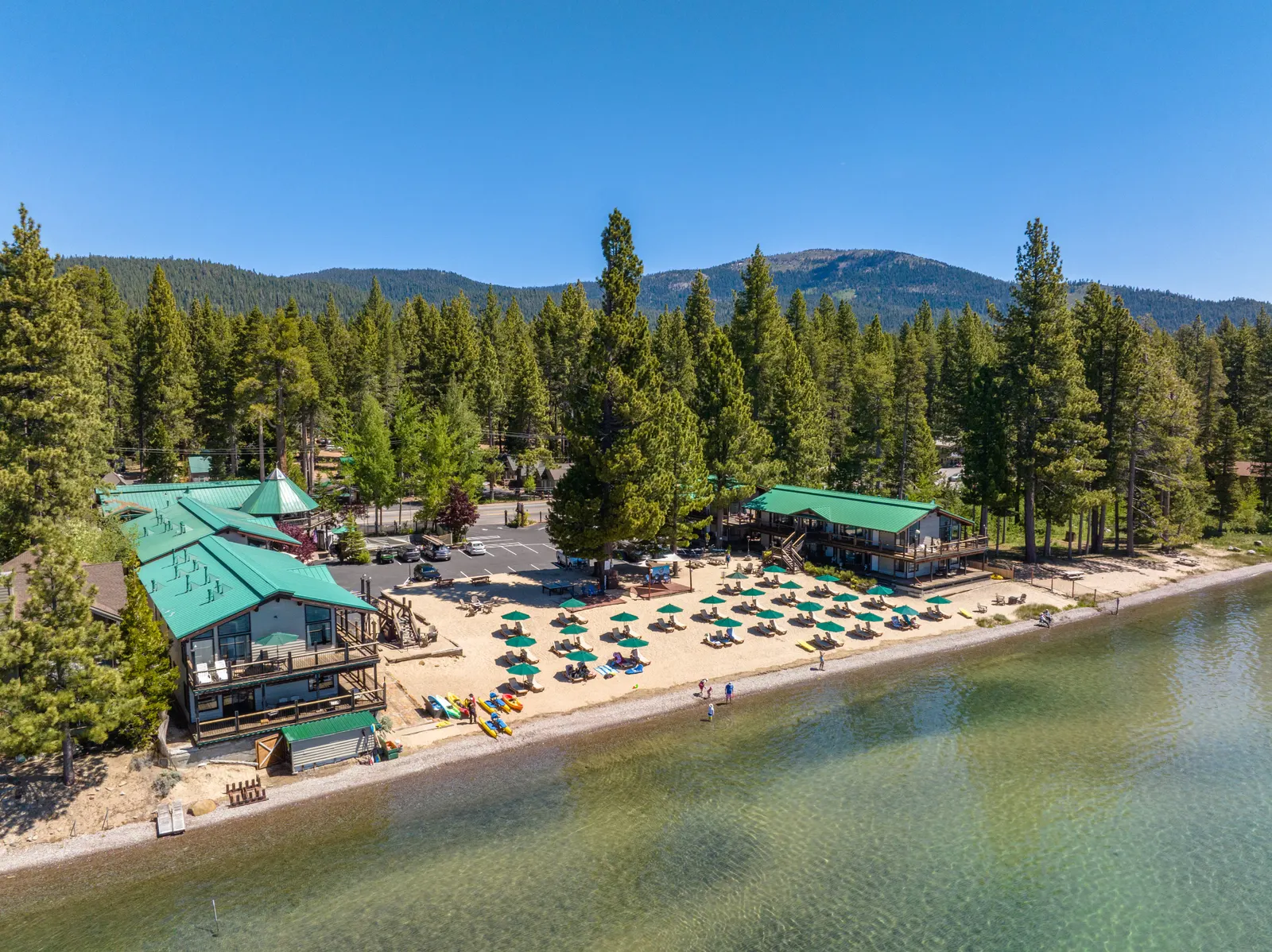
Mourelatos Lakeshore Resort