Real estate investors and developers are increasingly eyeing RV parks as high-yield projects in the U.S. This comprehensive guide explores the key strategic, architectural, and financial considerations of RV park development– from choosing the right park type (luxury vs. mid-range vs. budget) to balancing long-term and short-term rentals. We’ll also examine how location factors into your park’s concept and when a hybrid approach (mixing park types or rental models) makes sense. By understanding these factors, investors can craft an RV park investmentstrategy that maximizes guest appeal and RV campground ROI, whether building a luxury RV resort or a no-frills campground.
Strategic Planning Considerations for RV Park Development
Market Research and Feasibility: Every successful RV park project begins with rigorous market analysis. Conduct a feasibility study to gauge local demand, target demographics, and existing competition. Key questions include: Is there year-round demand or only seasonal peaks? What are competitors in the area charging, and what amenities do they offer? This research validates that your park can attract enough guests to generate strong revenue and return on investment. For example, understanding regional travel trends – such as proximity to national parks, beaches, or major highways – helps identify the optimal location and scale for your park. A site near a popular attraction might support a larger park with premium amenities, whereas a remote rural site might succeed with a smaller, more rustic campground.
Defining the Park Concept: Early in planning, decide on your park’s business model and target segment. RV parks range from simple rustic campgrounds to upscale RV resorts. Will you cater to short-term vacationers, long-term/seasonal residents, or a mix of both? This decision influences everything from site layout and density to the amenity package and marketing strategy. For instance, a destination campground near major tourist attractions might focus on high turnover with premium nightly rates, whereas a snowbird-oriented park in a warm climate could offer discounted monthly rates and on-site RV storage for winter residents. Aligning your concept with market gaps is vital – if the area lacks winter camping options or luxury “glamping” experiences, those niches present opportunities to differentiate. By establishing your target customer profile and price point early, you ensure the site design and investment plan are tailored to that vision.
Zoning and Approvals: Before land acquisition or design, investigate local zoning regulations and permit requirements. Ensuring the land is zoned (or can be rezoned) for an RV park use is critical, as many jurisdictions treat RV parks as a special use requiring specific approval. Zoning rules will dictate park parameters like maximum site density, required road widths, setback distances, and infrastructure standards. Engaging with local planning authorities or hiring a land-use consultant early can smooth the approval process and prevent costly surprises. In some RV-friendly regions, codes may allow high densities (e.g. 20+ sites per acre), while in others you may face caps or even moratoriums on new campgrounds. Proactively navigate these regulations to avoid development delays.
Financing and Capital Planning: Outline a clear capital plan covering land purchase, construction costs, and a contingency reserve. Developing an RV park requires significant upfront investment (often $500,000 to $2+ million total), but can yield high returns. Land costs vary widely – from under $5,000 per acre in some rural areas to over $100,000 per acre in popular locales. Construction and infrastructure expenses (grading, roads, utility hookups, buildings) typically range $15,000 to $50,000 per RV site, with basic parks on the lower end and upscale parks on the higher end of that range. Budget extra for amenities and facilities appropriate to your park class (e.g. a simple bathhouse vs. a deluxe clubhouse with pool). It’s prudent to include a 10–15% contingency on top of your budget for unforeseen costs like permit delays or weather issues. On the financing side, RV park projects can often secure loans or investors given the sector’s attractive returns – average cap rates are around 8–12%, and well-run parks commonly achieve 10–20% annual ROI. These figures are higher than many other real estate assets, which is why private equity firms and REITs have shown strong interest in campgrounds. Whether you pursue bank financing or private investors, prepare detailed financial projections (income forecasts, break-even occupancy, IRR, etc.) to demonstrate a compelling ROI. For perspective, many investors consider an RV park a success if it stabilizes at ~60–70% occupancy annually (which is around the U.S. average) and hits those double-digit returns.
Architectural and Design Considerations
Designing an RV park is a balancing act between guest experience, operational efficiency, and regulatory compliance. Site layout and infrastructure planning are paramount. Key design considerations include:
- Site Capacity and Layout: Determine how many RV sites the land can comfortably accommodate given topography and zoning density limits. It’s often wise to build slightly fewer sites than the legal maximum to ensure generous spacing, privacy, and room for landscaping or future amenities. Plan for a mix of site types – for example, many modern parks use a blend of back-in sites and pull-through sites to accommodate both large “big-rig” RVs and smaller trailers. Larger pads (at least 50+ feet long) with wide turning radii are now expected to handle today’s bigger RVs and tow vehicles. If targeting the upscale market, design extra-large pads (~2,000 sq. ft.) with room for outdoor furniture and even casitas or gazebos on-site. Conversely, a budget campground might use more compact sites or even shared tent/RV spaces to maximize capacity, as long as it doesn’t compromise safety or comfort.
- Utility Infrastructure: Providing adequate hookups for electricity, water, and sewage is non-negotiable for most RV parks. Plan for at least 30-amp electric service at every site (and 50-amp at premium sites for larger RVs), plus a fresh water connection and either a sewer hookup or access to a dump station. If municipal utilities are available at the property line, connecting to city water/sewer can simplify operations (though connection fees can be steep). In more remote locations, you may need to drill wells and install on-site septic systems or a small wastewater treatment plant. These require sufficient land for drain fields and must meet health department standards. Plan utility capacity based on total sites and amenities – for instance, large parks with pools, laundry facilities, or high occupancy will have heavy water and power usage. It’s wise to oversize critical infrastructure (pipes, electrical service) slightly to accommodate future expansion or the addition of EV charging stations. High-speed internet has also become an essential utility: many campers rank Wi-Fi as important as water or power, especially with remote work trending. Designing the park with fiber optic cable or mesh Wi-Fi coverage and reserving space for possible EV charging stations (which require 240V power capacity) can make your park more future-proof.
- Amenities and Common Areas: Amenities should be planned to match your park’s target audience and type. A luxury RV park’s architecture and amenities might rival a resort hotel – think a clubhouse with lounges and a fitness center, a heated swimming pool and spa, premium bathhouses, dog parks, and perhaps on-site dining or a coffee shop. Upscale touches like wellness centers (yoga studios, massage rooms) or dedicated co-working spaces for remote workers are increasingly popular in high-end parks. Mid-range family-oriented parks typically include a mix of recreational amenities such as a pool, playground, sports courts (e.g. pickleball or volleyball), a camp store, and possibly rentable cabins or park model RVs. Budget campgrounds or state-park-style sites focus on basics: a clean bathhouse, picnic tables, fire rings, and maybe a simple pavilion – relying more on the natural setting than built amenities. Whatever the level, design amenities to be durable and easy to maintain (for example, use commercial-grade fixtures in restrooms and consider prefabricated bathhouse units for quicker installation). Landscaping is another key design element: use trees, hedges, or fencing to provide privacy between sites (a must for luxury parks), and incorporate native plants for aesthetics and low maintenance. Thoughtful site planning with landscaping can create both a sense of community and pockets of seclusion as needed.
- Regulatory Design Standards: Ensure your park’s design complies with ADA accessibility requirements (e.g. some sites and all common facilities should be ADA-accessible). Plan for roadway widths and fire truck turnarounds as required by fire code. Stormwater management is crucial too – incorporate drainage, retention ponds or swales to handle runoff, especially if you pave roads or pads. If your project is large or environmentally sensitive, an Environmental Impact Assessment may be required, and you’ll need to protect wetlands or waterways on-site. Early engagement with civil engineers and architects can help integrate these technical requirements into the layout. In short, RV park architecture must balance guest comfort with engineering practicalities and code compliance.
Financial Planning and ROI Considerations
Building and operating an RV park should be approached with detailed financial modeling. Here are the major financial factors and expectations:
Development Cost Breakdown: As noted, the upfront cost to develop an RV park varies widely. For a rough guideline, industry estimates put site development costs at $15,000–$50,000 per RV pad on average. Simpler campgrounds with gravel pads, minimal utilities, and few amenities will be at the low end, while upscale resorts with paved pads, full hookups, and extensive facilities land at the high end (or beyond). Land acquisition is another big variable – raw land in remote areas might be a few thousand dollars per acre, whereas prime real estate near a tourist destination or interstate exit could be hundreds of thousands per acre. Beyond land and site work, allocate budget for vertical construction and amenities: bathhouses, an office or welcome center, possibly a clubhouse or pool, etc. A basic small park might only need a check-in office and bathhouse, whereas a luxury project could spend hundreds of thousands on a clubhouse alone (e.g. a 2,000 sq. ft. clubhouse can cost $500,000 or more to construct). Table 1 below summarizes typical cost components in RV park development:
Table 1: Typical RV Park Development Cost Components
| Cost Component | Typical Range | Notes (Factors Affecting Cost) |
| Land Acquisition | ~$1,000 to $100,000+ per acre | Wide variation based on location, land desirability, zoning, and site prep needed (e.g. clearing land). High-demand tourist areas or urban fringes cost more. |
| Site Infrastructure (per RV site) | ~$15,000 to $50,000 per site | Includes grading, roads, pads, and utility hook-ups (electric, water, sewer). Lower end for basic gravel pads & minimal utilities; upper end for concrete pads, robust power/water, etc. |
| Buildings & Facilities | Highly variable (from <$50k for basics to $500k+ for premium facilities) | Covers bathhouses, offices, clubhouses, etc. A simple restroom or laundry building might be $50k, while a deluxe clubhouse, pool, or restaurant can run hundreds of thousands. Scale amenities to park type. |
| Amenities & Recreation | Variable (e.g. $10k–$30k playground, $50k–$150k pool) | Outdoor amenities like pools, playgrounds, trails, dog parks, as well as indoor game rooms, fitness centers, etc. These are discretionary but crucial for mid-range and luxury parks to justify higher rates. |
| Soft Costs (Design, Permits) | Often 10–15% of project cost | Professional fees for architects, engineers, planners, plus permit and impact fees. Complex sites or stricter jurisdictions increase these costs. |
| Contingency Reserve | ~10–15% of total budget | Buffer for unexpected expenses (e.g. construction overruns, permit delays, weather impacts). Essential for financial safety. |
Revenue Streams and Pricing: The primary revenue for most RV parks comes from site rentals, but don’t overlook secondary income. Nightly site rates can range widely based on park type and location – roughly from $30–$50 per night at a basic campground up to $80–$150+ per night at a high-end resort in peak season. Many parks charge premium rates for deluxe sites (waterfront views, patios, etc.) or during high-demand weekends/holidays. In addition, consider weekly and monthly pricing: offering discounted weekly rates can entice longer tourist stays, and monthly rates (usually much cheaper per night than daily rates) can attract seasonal or long-term guests to improve off-peak occupancy. Beyond campsite fees, healthy parks have ancillary revenue: this might include fees for Wi-Fi or cable upgrades, coin laundry machines, propane sales, firewood and ice, equipment rentals (golf carts, kayaks), and a camp store or café. A family-oriented resort, for example, might boost profits by renting out paddleboats or hosting paid weekend activities. While these extras won’t eclipse site rentals, they can significantly improve your overall income and guest satisfaction.
Operating Expenses and Profitability: Typical operating expenses for an RV park include utilities (electricity for site hookups and lighting, water and sewer costs or septic maintenance), staff payroll, insurance, property taxes, maintenance (from landscaping to repairing hookups), reservation system fees, and marketing. Many parks also incur costs for amenities (e.g. pool chemicals, playground upkeep) and guest services. Profitability varies with park type: budget campgrounds have lower expenses but also limited revenue per site, whereas luxury resorts have high operating costs (staff, amenities, higher utilities) but can charge much more. Investors often measure performance by cap rate and cash-on-cash returns. As mentioned, cap rates for established parks generally range ~8–12% in 2025 (with the best destination parks around 7–8% and rural parks ~10%+). Many owners report 10–20% annual ROI on equity for well-run parks, especially if they can add value over time (e.g. expanding sites or raising rates). These returns outshine many other real estate sectors, but remember they come with active management. It’s critical to forecast seasonal cash flow – most parks experience peak occupancy in summer or winter (depending on region) and slower periods in off-season. For example, a northern campground may generate the bulk of its income in May–September and break even or close in winter, whereas a Sunbelt RV resort might be full in winter with snowbirds and quieter in the hot summer. Plan your finances to withstand these swings, and consider strategies like seasonal long-term rentals or off-season discounts to even out cash flow. With thorough planning and conservative projections, you can ensure your RV park investment remains profitable under various conditions.
Comparing RV Park Types: Luxury vs. Mid-Range vs. Budget
RV parks are not one-size-fits-all – they range from rustic campgrounds with minimal services to lavish RV resorts with world-class amenities. Choosing the right type of RV park to develop will depend on your market and investment goals. Below, we analyze luxury, mid-range, and budget RV park models in terms of their amenities, development costs, typical customer base, and revenue potential.
Luxury RV Resorts (High-End Parks)
Amenities & Infrastructure: Luxury RV resorts offer a premium, five-star camping experience. These parks boast extensive upscale amenities – think clubhouse with fine dining or a cocktail bar, swimming pools and hot tubs, wellness centers or spas, fitness rooms, upscale laundry facilities, and even concierge services. Site infrastructure is top-notch: pads are extra-large (often 50–70+ feet long, paved or concrete) to accommodate big Class A motorhomes, with full hookups including 50-amp power as standard. Many luxury sites come with private outdoor living spaces such as furnished patios, outdoor kitchens or gazebos, fire pits, and lush landscaping for privacy. Design is meticulous – expect gated entry, attractive landscaping throughout, walking trails, dog parks with pet wash stations, high-speed Wi-Fi coverage, and possibly unique attractions like golf courses, pickleball courts, or even on-site wine tasting rooms. In fact, some motorcoach resorts include private casita buildings (small coach houses) on each lot or other built structures for the RV owners’ use. The architecture of luxury RV parks parallels upscale resort design, with cohesive theming and high-quality materials, aiming to make guests feel they are at a exclusive vacation retreat rather than a campground.
Cost to Develop: The development cost for a luxury RV park is correspondingly high. Land is often in prime vacation destinations or warm climates, driving acquisition costs up. Infrastructure and amenities are built to resort standards – it’s not unusual for development costs to exceed $50,000 per site once you factor in premium facilities and landscaping (the upper end of typical site costs). A luxury park may also involve real estate sales (some sell individual RV lots as deeded property or timeshares), adding complexity and cost. Expect to invest heavily in clubhouse construction, pool installation, high-end finishes, and extra infrastructure like wide paved roads and decorative lighting. However, these investments enable the park to charge top-tier rates. Many upscale RV resorts are developed in the Sunbelt (Florida, Arizona, Texas, etc.) where year-round demand from affluent snowbirds justifies the expense.
Customer Demographics: Luxury RV resorts target a small but lucrative demographic. Typical guests (and often lot owners) are affluent RV owners, often retirees or semi-retirees aged 55+, who travel in high-end Class A motorcoaches or large fifth-wheels. These customers expect an exclusive, country-club atmosphere – many luxury parks even enforce restrictions like only allowing Class A rigs or RVs above a certain length/age to maintain a high standard on the property. In addition to retirees, you may see traveling professionals or remote workers with the means to afford upscale stays, especially if the resort offers work-friendly amenities. Guests at luxury parks tend to stay longer on average (weeks to months) – snowbirds might stay the entire winter season – and they appreciate a sense of community with like-minded neighbors. This demographic values security, privacy, and convenience, and they’re willing to pay a premium for it.
Revenue Potential & ROI: Luxury RV parks command premium pricing. Nightly rates can easily run from $80 to over $150 per night depending on location and season (significantly higher if accommodations like cabins or casitas are included). Many luxury resorts also have weekly and monthly packages at high rates, and if they sell RV lots, there’s revenue from sales and homeowners’ association (HOA) fees as well. The upside is strong: these resorts often achieve high occupancy in peak seasons and generate multiple income streams (rentals, lot sales, resort fees, etc.). The ROI can be very attractive if the park captures its niche – operators have reported double-digit annual returns, especially when including lot sale profits. However, keep in mind the risks: the niche is smaller, so success hinges on location and marketing to the right audience. Also, luxury amenities mean higher operating costs (staff, maintenance, utilities), so breakeven occupancy might be higher than for a basic park. In general, though, a well-run luxury RV resort can outperform other park types in revenue per site. It’s no surprise that some developers blend in a real estate play – selling high-end RV lots at prices in the six or seven figures – to boost returns on these projects. In summary, luxury parks require the largest investment but offer the highest per-site revenue, targeting the top end of the market where customers are less price-sensitive and expect excellence.
Mid-Range RV Parks (Family-Friendly or Franchise Parks)
Amenities & Infrastructure: Mid-range RV parks appeal to the broad middle of the market – families on vacation, retirees, and working travelers looking for comfort and convenience at a reasonable cost. These parks (often independent or part of franchises like KOA or Yogi Bear’s Jellystone Park) provide a full suite of amenities but at a level below true “luxury.” Typically, you’ll find full hookup sites (30/50 amp electric, water, sewer at most sites), a mix of pull-through and back-in spots, and pad sites that might be gravel or paved. Amenities commonly include a swimming pool, children’s playground, dog park, picnic pavilions, and a camp store or office. Many mid-range parks also offer bathhouses, laundry rooms, Wi-Fi (often free but maybe lower bandwidth than luxury resorts), and recreational facilities like volleyball courts, horseshoe pits, or basic game rooms. Some have rental cabins or park model RVs on-site to attract non-RVing guests – this effectively makes them hybrid family resorts. The goal is to provide enough on-site entertainment and comfort that guests will extend their stay or return regularly. For example, a franchise family campground might host weekend activities, have a snack bar or food truck on busy nights, and maintain a themed atmosphere (holiday events, movie nights, etc.) to enhance the guest experience. Infrastructure in mid-range parks is solid but cost-controlled: interior roads may be gravel or paved depending on budget, and site sizes are comfortable for most RVs (perhaps 30–45 feet long sites, though newer parks are trending larger to fit big rigs). These parks emphasize cleanliness, safety, and a friendly ambiance rather than opulence.
Cost to Develop: Developing a mid-range park requires moderate capital investment. Per-site development costs typically fall in the middle of the industry range – roughly $20,000–$30,000 per site is a reasonable planning figure, which covers full utilities and decent site improvements (but not the ultra-deluxe touches). Because these parks have multiple amenities, expect significant costs for building a pool, playground, bathhouse, etc., though not as extravagant as a luxury resort’s amenities. Many mid-range parks are 100–200 sites in size to achieve economies of scale: that size supports a camp store and possibly hiring a full-time manager, and it spreads the cost of a pool/clubhouse over more customers. Branding or franchise affiliation can add costs (franchise fees or specific infrastructure standards) but may boost marketing reach. Overall, mid-range parks require more capital than a basic campground – you’re building essentially a small resort – but far less than an elite motorcoach resort. Development tip: phasing is common in this segment. You might initially build 50 sites with core facilities, then expand in later phases to add more sites or amenities as cash flow grows. This allows a mid-scale developer to start serving customers and generating revenue without waiting for a 150-site build-out to be complete.
Customer Demographics: Mid-range RV parks attract a wide audience. In peak summer, expect vacationing families with kids, often in travel trailers or mid-size motorhomes, who appreciate on-site entertainment and kid-friendly features. Retirees and senior campers also frequent mid-range parks, especially those who prefer a comfortable experience but don’t need extravagance – they might travel in pairs and enjoy social activities and basic comforts. Weekend travelers, road-trippers, and locals on short getaways make up the mix too. Because these parks often belong to national networks or have good online visibility, they draw travelers passing through the region (e.g. someone driving cross-country may specifically seek out a KOA or similar for reliability). Customer expectations here are balanced: they want clean facilities, fun things for the kids, and maybe a “camping plus” experience – e.g. a nature setting with modern conveniences. They typically do not require strict exclusivity or high privacy (as luxury guests might) but do expect professionalism, safety, and friendly service. Many mid-range parks cultivate a community atmosphere with events like pancake breakfasts, craft workshops, or outdoor movie nights to engage guests and encourage return visits. These parks often see a lot of repeat customers and word-of-mouth referrals if they consistently deliver a pleasant stay. In short, the demographic is middle-income, leisure-oriented campers looking for a reliable, fun, and reasonably priced camping experience.
Revenue Potential & ROI: Mid-range parks can be strong earners due to their broad appeal and balanced cost structure. Nightly rates typically range from around $40 up to $80, varying by location and season – higher than no-frills campgrounds but lower than high-end resorts. Importantly, these parks often achieve high occupancy in peak travel seasons, and with many sites, the volume adds up. They also benefit from multiple revenue streams: a busy camp store, equipment rentals (e.g. canoe or bike rentals if near a lake or trails), and cabin rentals can significantly boost income. For example, a mid-range “family resort” campground might charge $60/night for RV sites, rent out a few cabins at $120/night, and generate additional income from selling firewood, ice, and tube rentals for the river – all contributing to the bottom line. ROI for a well-run mid-range park can be very solid, often in the range of the industry average 10–15% annually on investment. These parks do have higher operating costs than a basic campground (staff for the front desk and activities, pool maintenance, etc.), but they also command strong daily rates and longer stays by keeping guests entertained. Brand-affiliated parks might see marketing advantages (e.g. being listed in a national directory) that keep occupancy up. Investors like mid-range parks for their combination of stable family market demand and the ability to still push rates upward with value-add improvements. If competition in the area is limited, a mid-range park can almost become a local monopoly for family camping, allowing for regular rate increases and strong occupancy. The main risk is overbuilding amenities that don’t get used – it’s important to match the scale of amenities to the actual market demand (a mid-range park probably doesn’t need a spa or gourmet restaurant, for instance, which would bloat costs without significantly increasing revenue). Done right, mid-range parks hit a sweet spot of broad market appeal and efficient operations, making them a popular choice for developers.
Budget RV Parks (Basic Campgrounds)
Amenities & Infrastructure: Budget RV parks, or basic campgrounds, focus on the essentials of camping without the costly extras. They cater to travelers who primarily need a safe, clean place to park an RV (or pitch a tent) and perhaps enjoy the outdoors, without paying for resort-style amenities. A budget RV park typically provides water and electric hookups at most sites (some may offer sewer at a dump station rather than full sewer hookups at each site to save on infrastructure). Site pads might be gravel or just leveled earth; pull-through sites could be limited. Amenities are minimal: usually a simple office or check-in station, a basic restroom/shower house, and maybe a laundry room. There might be a communal fire pit or picnic area, and possibly a playground if targeting family campers, but generally these parks do not have pools, organized activities, or extensive facilities. Many budget parks double as overnight stopovers, so ease of access (close to a highway) and low cost are their selling points. Some might be located near natural attractions and thus emphasize the location (hiking trails or lake access nearby) rather than on-site amenities. Infrastructure cost-saving measures are common: for example, interior roads might remain gravel to avoid paving costs, lighting might be limited to a few street lamps, and landscaping is kept simple (though maintaining shade trees can be a draw for summer campers). Despite being “no-frills,” the best budget campgrounds ensure cleanliness and functioning basics – a hot shower, a level site, and perhaps Wi-Fi in the office area – as these directly impact reviews and repeat business.
Cost to Develop: Budget parks are the least expensive to develop on a per-site basis. Developers often choose less expensive land a bit further from major tourist hubs or city centers (since location is a big cost driver). They also minimize heavy infrastructure: for example, using a septic system instead of extending municipal sewer lines, or gravel roads instead of asphalt. It’s feasible to develop a basic campground for closer to the lower end of the spectrum, say $10k–$20k per site, by using economical materials and providing only necessary utilities. Many budget parks start small (20–50 sites) and may expand over time using revenue from initial operations. Because fewer amenities are built, soft costs like architectural design are lower – there might only be one small building to design (the bathhouse/office) versus multiple structures in a resort. However, even budget parks shouldn’t skimp on safety or code requirements: you still need compliant electrical systems, proper septic capacity, fire safety measures, etc. These are costs that can’t be eliminated. Landscaping and aesthetic features often come last or in phases for budget parks; the initial phase might be very basic visually, with improvements added as the business proves itself. All told, budget campgrounds have a lower barrier to entry financially, making them attractive to first-time park owners or those developing in rural areas. They also often have lower ongoing debt service, since the total project cost is lower – which can make them financially resilient if revenue is modest.
Customer Demographics: The clientele of budget RV parks are typically budget-conscious travelers and outdoor enthusiasts. This includes a lot of one-night or short-stay guests: road trippers passing through who just need an affordable overnight stop with hookups, or workers with RVs (traveling nurses, construction crews, etc.) looking for longer-term budget accommodation. You’ll also find campers who prioritize proximity to a particular natural attraction over amenities – for example, an inexpensive campground near a national forest might attract hikers and fishers who spend all day outside and don’t need a pool or planned activities. Budget parks can attract a loyal niche such as retirees on fixed incomes traveling slowly and looking to save on nightly fees, or younger vanlifers and full-time RVers who are very price-sensitive. Expectations at these parks are modest: guests are generally happy as long as sites are level, the electricity and water work, and they feel safe. Because there are fewer on-site distractions, these guests often are self-sufficient or spend time exploring off-site. Some budget parks effectively operate as semi-residential RV communities, with a segment of guests staying month-to-month because it’s cheaper than an upscale park or apartment – these might be in areas with oil field workers, seasonal agricultural workers, or others seeking low-cost housing. Owners of budget parks must be mindful that having many long-term residents can alter the atmosphere (it can start to feel more like a trailer park), but it can also ensure steady income. In essence, budget campground customers value affordability and location over frills, and they often treat the park as just a place to stay while they pursue other activities.
Revenue Potential & ROI: Budget RV parks generate revenue through volume and low overhead rather than high prices. Nightly rates might be in the $20–$40 range for full hookup sites (varying by region), and monthly rates for long-term stays are relatively low (often the equivalent of ~$10–$15 per night). Because margins per site are slimmer, profitability hinges on keeping the park reasonably full and controlling costs. The good news is that with fewer amenities and staff, operating expenses are low; a small campground might be run directly by the owner with maybe one part-time helper. Profit margins can be decent if land was cheap and debt is low – some budget parks actually achieve solid ROI because they invested so little to start. However, the absolute income is obviously lower than a larger or higher-end park. ROI might be in the single digits to low teens percentage-wise, depending on how well the park stays occupied. In popular locations, even basic campgrounds can have high occupancy (consider many national park gateway campgrounds that are full every night all summer despite having almost no amenities). Those cases can yield surprisingly strong returns. On the other hand, a budget park in a less-traveled area might struggle to reach 50% occupancy, which would limit profits severely. It’s worth noting that budget parks have limited ability to increase revenue per guest – there’s no upscale cabin to upsell or big store to boost spending; their clientele may not pay for extras like firewood if they can forage it, etc. Therefore, expanding capacity (adding more sites) or slightly upgrading to justify a moderate rate increase are the main ways to grow revenue over time. From an investment perspective, budget parks are lower risk in some ways (lower break-even point) but also less scalable in income. They are often seen as stable, modest cash-flow properties that can thrive if they have a good location or a dedicated customer base (such as annual returnees).
Table 2: Summary Comparison of RV Park Types (Luxury vs. Mid-Range vs. Budget)
| Aspect | Luxury RV Resort (High-End) | Mid-Range RV Park (Family/Couple Oriented) | Budget RV Park (Basic Campground) |
| Amenities & Infrastructure | Extensive, upscale amenities (clubhouse with restaurant or spa, pool/hot tub, high-speed Wi-Fi, fitness and business centers, themed resort activities). Extra-large paved sites with full hookups (50A, water, sewer) and often private patios or casitas. Gated entry and premium landscaping for privacy. | Wide range of amenities (pool, playground, dog park, camp store, rentable cabins). Full hookups at most sites, mix of pull-thru and back-in sites. Clean bathhouses, laundry, Wi-Fi available. Infrastructure is modern but not extravagant – e.g. gravel or paved pads, some landscaping. | Minimal amenities (basic bathhouse, maybe a small office or picnic area). Primarily just sites with water/electric (possibly sewer via dump station). Few recreational facilities on-site. Gravel/dirt pads and roads are common. Emphasis on the natural setting or a convenient overnight stop over built amenities. |
| Development Cost | High: Construction ~$50k+ per site due to premium infrastructure and amenities. Significant investment in land (often prime locations) and luxury facilities (clubhouses, pools, etc.). Typically requires multi-million dollar budgets and longer timelines. | Moderate: Costs ~$20k–$40k per site for full hookups and good amenities. Medium to large land parcels often needed (100+ sites). Phased development common to manage costs. Amenities like pools and playgrounds add to upfront cost but are scaled to a mid-range level. | Low: Costs on the lower end (~$10k–$20k per site) by limiting infrastructure to essentials. Smaller or inexpensive land, fewer facilities to build. Can start with a modest budget (hundreds of thousands total instead of millions). Expansion can be incremental as cash flow allows. |
| Typical Customers | Affluent retirees and seasoned RVers (often 55+ snowbirds) with high-end rigs; also some luxury vacationers. Expect resort-style experience, privacy, and on-site entertainment. Long average stays (weeks to months) are common in peak season. | Families, vacationers, and retirees seeking a fun, convenient stay. Mix of ages; kids and pets welcome. Guests enjoy on-site activities and comforts (pool, events) but at moderate prices. Stay lengths range from weekends to a week or two. Many repeat visitors. | Budget travelers, pass-through campers, and outdoors enthusiasts. Includes one-night stopovers (road trippers, truck campers) and long-term blue-collar or fixed-income residents who need low-cost stays. Guests spend more time off-site or are self-entertained. Stays can be very short (overnight) or extended (monthly) if used as an affordable living base. |
| Rates & Revenue | Premium rates: Highest in industry. ~$80–$150/night (or more) in peak season. Monthly/seasonal rates also high; possible revenue from selling RV lots or memberships. Multiple income streams (resort fees, on-site services). Can yield strong ROI if high occupancy; cap rates often ~7–8% for these top properties. High operating costs but even higher revenue per site. | Mid-level rates: Roughly $40–$80/night typical. Weekly and monthly discounts offered to encourage longer stays. Significant ancillary revenue from cabins, rentals, and store/activities. Good occupancy in season leads to solid cash flow; cap rates ~8–10% common. ROI around industry average (10–15% annually) if well-managed, with room to improve by adding services or sites. | Budget rates: ~$20–$40/night, very affordable. Monthly rates often heavily discounted (e.g. <$600/month) to attract long-term tenant. Limited upsell opportunities – main revenue is site fees. Lower total revenue, but also low expenses. Can achieve decent ROI due to low investment cost; cap rates might be higher (~10%+) reflecting higher yield but also higher perceived risk. Profitability hinges on keeping expenses low and occupancy steady. |
Long-Term vs. Short-Term Rentals: Finding the Right Balance
Another critical decision in RV park development is whether to focus on short-term stays (nightly/weekly guests, similar to a traditional campground or motel model) or long-term stays (monthly/seasonal guests, more akin to a mobile home park or extended-stay RV community). Both approaches have distinct advantages and operational considerations, and many parks opt for a blend of the two. Below, we compare long-term vs. short-term rental strategies in RV parks, including ideal market scenarios for each, day-to-day management differences, and impacts on cash flow and occupancy.
Short-Term Rentals (Nightly/Weekly Campers)
Short-term rentals cater to transient guests who stay anywhere from a single night up to a couple of weeks. This is the classic campground model: travelers, vacationers, or weekend campers come and go frequently. Ideal scenarios for short-term focus include locations with strong tourism or pass-through traffic. For example, a park located near popular attractions (national parks, theme parks, beaches) or along a well-traveled highway/interstate will naturally see high demand for nightly stays. In these markets, focusing on short-term visitors allows you to charge premium nightly rates during peak seasons and maximize revenue from high turnover. A destination campground near a major attraction might even design its business around short stays – offering lots of activities and convenience for 3-7 day vacationing guests, with rapid check-in/checkout systems to handle the flow.
Operational differences for short-term parks are significant. Running a short-term oriented RV park is akin to running a hotel or motel in many ways – it’s part of the hospitality industry. You’ll need a robust reservation system (including online bookings) to handle daily arrivals and departures, much like hotel bookings. Front desk staff or self-check-in kiosks must be prepared to manage late check-ins, site assignments, and frequent customer inquiries. Housekeeping isn’t as big a factor as in hotels (guests bring their own “rooms”), but maintenance and cleaning of facilities becomes a daily task – bathrooms, showers, and common areas see heavy use and must be cleaned multiple times a day in a busy season. Customer service is also paramount: short-term guests will have many first-timers among them, so providing area information, guiding them to their site, and addressing any issues promptly can earn great reviews. Marketing efforts for short-term parks often focus on broad reach – you want to be visible on Google, travel apps, and camping directories so that travelers find you among the many options. You might partner with online travel agencies or mobile apps popular among RVers (Good Sam, Campendium, etc.) to capture drive-by business. Because occupancy can swing widely with seasons, short-term parks also do a lot of yield management: adjusting rates for weekends/holidays, offering specials in slow periods, hosting events to draw crowds, etc., to maximize the use of sites year-round.
Cash Flow and Occupancy Effects: The short-term model offers the highest revenue per night when demand is high – you might make much more in a single summer weekend from nightly fees than a long-term monthly renter would pay. This can lead to impressive cash flow in peak periods. However, it also means exposure to seasonality. Occupancy can drop significantly in off-peak times (mid-week or off-season), which means variable income. Successful short-term parks adapt by targeting events and groups (e.g. hosting rallies, festivals, or holiday events to bring in guests during shoulder seasons). In terms of expenses, short-term heavy parks often face higher operational costs: more staff hours for cleaning and guest services, higher marketing spend, and greater wear-and-tear on facilities from the turnover. But these costs are justified by the higher rates. A park full of nightly campers could achieve near 100% occupancy on peak nights (like holiday weekends) and then 20% a few weeks later – managing that swing is key. Cash flow management requires saving some of the peak season profits to cover the slow season expenses. Many short-term parks are highly profitable in their good season and essentially break even or run at low capacity the rest of the year; as an owner, you must be comfortable with this cycle. Another effect is on the guest experience and character of the park: a predominantly short-term campground has a constant buzz of new people, which can feel exciting and social, but also means less of a tight-knit community feel. This is fine for vacation atmospheres but might not appeal to those looking for quiet stability.
In summary, short-term rentals work best when you have a steady influx of new campers (tourist areas, convenient stopover locations) and when you’re prepared to operate a dynamic, service-oriented business. The payoff is maximum income potential during busy times and the flexibility to adjust pricing frequently. The challenge is riding out off-peak lulls and maintaining high service standards with constant turnover.
Long-Term Rentals (Monthly/Seasonal Stays)
Long-term rentals involve guests staying for extended periods – monthly, seasonal, or even year-round in some cases. RV parks that emphasize long-term stays often resemble a hybrid of a campground and a mobile home community. Ideal market scenarios for long-term rentals include areas with consistent year-round (or multi-month) demand. For instance, warm winter havens in Florida, Arizona, or southern Texas attract “snowbirds” who bring their RV south and live in it for 3–6 months to escape the cold. These snowbird-focused parks may effectively operate at near full occupancy all winter with monthly renters, then either close or go quiet in summer. Another scenario is parks near urban areas or employment centers, where travelers (contractors, traveling nurses, remote workers) need an affordable place to live for a few months. If your park is within commuting distance of a city or a big construction project, offering monthly rates can tap into that housing demand. Even in tourist areas, there can be seasonal worker demand (e.g., a campground near a national park might host some of the park’s summer employees in RVs). Long-term stays also make sense if local zoning or market positioning leans that way – some rural areas simply have fewer nightly tourists but solid local demand for economical long-term RV housing.
Operational differences for long-term oriented parks center on property management and resident relations. Running a park with many monthly renters is more like being a landlord than a hotelier. Administrative tasks include setting up formal rental agreements or leases, taking security deposits, and possibly running background checks depending on the park’s policy for long-term tenants. You won’t have daily check-ins, but you will be processing monthly payments (which can be automated). Instead of cleaning bathrooms every day for dozens of new people, maintenance shifts towards ensuring systems run well for continuous use (e.g., keeping the septic system healthy, promptly fixing any electrical pedestal issues) and general upkeep of the park as a neighborhood. Customer service in long-term parks is about building good relationships with residents – since they stay for long periods, they appreciate responsiveness to maintenance requests and clear communication of park rules/policies. You may also foster a community by organizing occasional gatherings or ensuring common areas support social interaction (many long-term parks have a clubhouse for potlucks, bingo nights, etc., since the same people are there each week). Marketing for long-term stays is different too: rather than advertising nightly availability, you might network with local employers, use Craigslist or online forums to reach traveling workers, or list on specialized platforms for monthly RV spots. Zoning and legal aspects can come into play – some locations treat long-term RV tenants as residents, which could invoke landlord-tenant laws, so be aware of the legal framework and ensure you have appropriate agreements in place.
Cash Flow and Occupancy Effects: Long-term rentals tend to provide stable, predictable income. Once a site is rented on a monthly basis, you can count on that revenue for the duration of the lease, which greatly smooths out cash flow. For example, securing a dozen snowbirds each paying $700/month for the 5-month winter season can guarantee a baseline income regardless of nightly fluctuations. Parks that shift toward more long-term occupancy often maintain higher occupancy year-round, including through what would otherwise be off-season. This stability is a major advantage: it protects against the boom-and-bust of seasonal tourism and makes budgeting easier. However, the trade-off is that monthly rates are lower on a per-night basis than what you might get from transient guests. Long-term guests expect a discount – often paying 30–50% less per night than the transient rate in exchange for committing to a month or more. So, your revenue per site could be lower, but in return you have that site occupied for a full month instead of hoping to fill it with multiple short stays. In terms of expenses, long-term guests generally cause less turnover cost – you’re not constantly processing check-ins or cleaning up after weekend crowds. There’s less wear on facilities from repeated heavy use (e.g., a resident might treat the space like home and take care of it, whereas nightly guests might more heavily use showers, etc.). On the flip side, having people living on-site long-term means you need to ensure residential-level services: reliable utilities (can’t have frequent outages), possibly mail delivery arrangements, and enforcement of rules to keep the community pleasant over time (noise, pet policies, etc.). Another consideration is the park’s atmosphere: a large contingent of long-term residents can change the feel of the park – it may become more of a community and less of a vacation spot. Some short-term travelers might avoid a park that looks more residential, and conversely some long-term residents might bristle at a constant influx of overnight campers disrupting their neighborhood vibe. For this reason, many parks that serve both markets will segment areas (e.g. one loop reserved for monthlies, separate from the transient sites) to give each group their space.
In summary, emphasizing long-term rentals works well when consistency is valued over maximizing nightly rates. It’s particularly effective in markets with steady demand for extended stays, or as a strategy to improve winter occupancy and cash flow for parks in seasonal tourist areas. A balanced approach is common – for instance, a park might fill 25% of its sites with long-term renters to cover the bills, and keep 75% for higher-paying short-term tourists. This kind of mix provides stability plus upside, and finding that optimal mix is often called “an art” in campground management.
Matching the Park Type to the Location
Not every type of RV park fits every location. The best concept for a given project depends heavily on local factors – from the tourism draw of the area to climate and regulations. Developers should evaluate their site’s context to determine whether a luxury resort, a simple campground, or something in between will be most successful. Below are key location-based factors to consider when choosing the RV park type and features:
- Local Tourism and Demand: Gauge the tourism dynamics of the region. Is the area a major tourist destination, a pass-through corridor, or a quiet rural community? High tourism areas (e.g. near national parks, famous attractions, or in vacation hotspots like coastal beaches or ski areas) can support more amenity-rich parks because travelers often seek a comfortable home base and are willing to pay more. In contrast, if the location is along an interstate in the middle of a long highway stretch, many guests will be one-night stopovers – a clean, efficient, budget-friendly park might thrive on volume. Tip: Match your park’s offerings to what travelers in that area are looking for. A rustic public campground might do great in a national forest where campers want a nature experience, whereas an RV resort could flourish on the outskirts of a city where urban visitors appreciate extra comforts.
- Proximity to Attractions or Routes: Consider what specific draws your location has. Are you near a national park or state park, a lake or recreation area, a popular small town, or a major highway junction? Proximity to natural attractions suggests you’ll get vacationers – perhaps families or retirees on leisure trips – so a mid-range or even luxury park could be warranted to capture those tourists (for example, a park just outside Yellowstone could justify more amenities to keep guests for a week). If you’re right off an interstate exit, you’ll see more transient traffic (overnight stays), meaning features like easy pull-through sites, 24-hour self-check-in, and fuel or convenience options might be more valued than luxury pools. Locations near cities or large towns might tap into weekend getaway traffic and also serve people visiting relatives, attending events, etc. For instance, a park within an hour of a major city could attract city dwellers for weekend camping – a mid-range park with recreational amenities would cater to that. Always ask: what will bring RVers to this location in the first place? Tailor the park type to that answer.
- Climate and Seasonality: The region’s climate should heavily influence your park strategy. In places with year-round mild or warm weather (the Sunbelt, coastal California, etc.), you can operate year-round and attract different waves of guests (snowbirds in winter, vacationers in summer). A luxury resort or a mixed-use park can work well since you’ll have demand across seasons. However, in regions with harsh winters (Midwest, Northeast, Mountain states), camping may be strictly seasonal. A lavish resort might not generate year-round revenue in a northern climate unless it offers winterized facilities and perhaps draws ice-fishers or skiers in the off-season (a niche scenario). Generally, in very seasonal climates, it’s wise to scale your investment to the usable season – a simpler campground might make sense if you’re only open 5 months a year. Alternatively, plan for ways to drive off-season income (host snowmobile rallies, holiday light displays, or have some year-round long-term tenants if allowed). Climate also dictates design: if your park is in the hot Southwest, provide shade (plant trees or build ramadas) and perhaps water features; if in a rainy area, invest in proper drainage and gravel pads to avoid mud. Seasonal patterns will affect occupancy: for example, Florida and Arizona parks fill up in winter with long-term snowbirds, then have vacancies in summer. Meanwhile, a park in a mountain area might be packed all summer and close by October. Understanding these patterns helps determine whether you need the flash of a luxury resort or the resilience of a simpler operation.
- Local Competition and Gaps: Research what park types already exist nearby. If the area is saturated with basic campgrounds but none offer high-end amenities, there may be an opening for a premium RV resort (assuming sufficient high-income visitors pass through). Conversely, if there’s a fancy RV resort in town charging $100/night, a developer might succeed with a mid-range park that undercuts that price while still offering solid amenities. Identify market gaps: maybe no park in the area offers winterized camping – you could design yours to stay open year-round (insulated water hookups, etc.) and capture that market. Or perhaps all the parks cater to short-term tourists, and none specifically court monthly residents – a section of your park could fill that need. Being strategic about park type can mean the difference between struggling in a crowded field and standing out as the go-to option for certain campers.
- Zoning and Regulatory Environment: Local zoning laws and community attitudes can actually dictate the feasible park type. Some jurisdictions might limit long-term stays, effectively forcing your park to operate as a short-term campground only (common in some tourist towns that don’t want RV parks turning into trailer courts). Other areas might welcome an RV resort but have strict design requirements – for example, mandating paved pads, certain aesthetic standards, or density limits that raise your minimum quality level. In contrast, very rural counties might have almost no regulations, giving freedom to build anything from off-grid primitive sites to a luxury park, but you should still gauge what the community will embrace. It’s wise to attend local planning meetings or talk to officials early: if you’re proposing a 300-site RV resort with a concert amphitheater in a quiet rural town, you might face pushback. Sometimes scaling down or tweaking the concept (e.g. adding natural buffers, limiting permanent residents, highlighting economic benefits) can gain support. Utility access ties into this as well – if public sewer and water are available and the town is eager to expand tourism, you have a green light for a larger, possibly upscale park. If you must rely on well water and septic, that could limit how dense and big your park can be (for example, septic systems might limit you to a certain number of sites per acre). Always ensure your concept aligns with what local codes allow and what infrastructure can support. Securing zoning approval for a particular style of park (resort vs. campground, transient vs. extended stay) upfront will save headaches later.
- Access to Municipal Utilities: As a practical matter, the availability of municipal water, sewer, and power can strongly influence your park’s design and type. If your chosen site can tap into city water and sewer, you can support many sites and high occupancy with fewer worries about system capacity – ideal for a large mid-range or luxury park. If not, and you need to use wells and septic, a smaller, more budget-oriented park might be prudent to avoid overwhelming your systems. Some very high-end resorts actually build private wastewater treatment on-site if city sewer isn’t available, but that’s a substantial cost only justified for top-tier projects. Similarly, if grid power is limited in a remote area, you might not be able to offer 50-amp service to 100 sites without a massive utility upgrade; a smaller campground could function with lighter power needs. Pro tip: Factor utility access into site selection – a location on the edge of town with utilities in place might enable a mid-range or luxury development that would be impossible on raw land 10 miles out (or would require expensive wells, septic fields, generators, etc.). In summary, choose a park model that your site’s infrastructure can sustain.
By thoughtfully evaluating these factors – tourism demand, location advantages, climate, competition, regulations, and utilities – you can determine the best RV park type for your location. Often, the site “tells you” what it wants to be. A serene piece of land with mountain views might be perfect for a quiet higher-end resort where people come to relax for a week. A parcel near a busy highway exit might scream for a convenient overnight RV park with quick in-and-out service. Matching concept to location not only increases your chances of financial success but also ensures you’re meeting the needs of the campers who will actually visit.
Hybrid Models and Mixing Strategies
In practice, many successful RV parks mix different park types and rental models to diversify their business. A hybrid approach can maximize your occupancy and revenue by appealing to multiple segments of the market under one property. This might mean having distinct sections or phases within one RV park that cater to different needs – for example, combining a luxury area with a budget-friendly area, or offering both short-term and long-term sites. It can also mean evolving your park’s model over time as the market matures. Here we discuss when and how to implement hybrid strategies, and how to transition models as your park and market grow.
Combining Park Types in One Property: One way to capture a broad market is to segment your park into zones that offer varied levels of service. Larger RV parks (say 100+ sites) are especially suited to this. For instance, you might design a “luxury core” near the clubhouse with premium big-rig sites, private patios, and high-end amenities, while also having a budget-friendly loop farther out with basic sites for people who just want an overnight stay. This way, you cater to upscale travelers willing to pay more and frugal campers – they might use the same pool and facilities, but the premium guests get larger sites and perhaps extra perks. Many modern parks do create tiered site classes: standard vs. deluxe vs. premium. They charge different rates and invest different amounts in those sites. Successful RV resorts often segment their offerings in exactly this manner – quiet zones versus family zones, basic sites versus upgraded sites, short-term sections versus long-term resident sections. By separating these areas (through park layout, signage, maybe even using natural buffers like tree lines), each guest type can enjoy the experience they seek without conflict. For example, a long-term section might be tucked in the back where tenants can arrange their patio furniture and feel at home, whereas overnight pull-through sites might line the front for quick easy access to the exit. If done thoughtfully, the park can operate like multiple products in one: a resort, a campground, and a community, all coexisting. This diversification can dramatically improve occupancy – when short-term travel demand dips, perhaps your long-term section is still full, and vice versa.
Offering Multiple Accommodation Types: A related hybrid strategy is to include alternative lodging options alongside RV sites. In recent years, many RV parks have started adding glamping tents, cabins, cottages, or park model RVs to broaden their appeal. Converting even a small percentage of RV sites into such rentals can boost revenue by attracting non-RVers or those seeking a different experience. For example, you might take 5 of your 50 sites and install modern tiny homes or safari tents on them – now you can market to people who don’t own an RV, essentially expanding your customer base. Industry data shows this hybrid model is booming: between 2024 and 2026, hundreds of glamping units (yurts, treehouses, etc.) have been added to existing campgrounds across the country. Even large chains are doing it – one major franchise brand has been rolling out furnished canvas tents with electricity and hotel-like beds at their campgrounds to create a “resort within a campground.” The benefit of this approach is higher nightly rates for unique accommodations (glamping units often rent for $150–300/night, far above a typical RV site) and heaps of free marketing via social media because of the “Instagrammable” nature of these stays. If you pursue this, be mindful of the extra management required – housekeeping for cabins, different maintenance needs – but many owners find the payoff well worth it. The hybrid mix of RV sites and glamping allows a park to tap into both the traditional RV market and the growing segment of travelers who want a upscale outdoor experience without an RV.
Mixing Rental Durations: We discussed the pros and cons of short vs. long-term rentals separately, but many parks use a blend of both to stabilize income. A common strategy is to dedicate a certain portion of sites to long-term leases (monthly/seasonal) and keep the rest for nightly campers. For instance, a 100-site park might have 20 sites in the back reserved for seasonal snowbirds who stay 4-5 months, ensuring a base level of revenue, while the remaining 80 sites turn over with vacationers. This hybrid model provides reliable cash flow from the long-term tenants (who often pay even if they aren’t there full-time, just to hold their spot) and still gives the park flexibility to earn high nightly rates on the other sites during peak tourist season. Many parks adopt rules such as “no more than X% of sites will be long-term at any given time” to maintain balance – this prevents the park from inadvertently becoming too much of a trailer park and scaring away short-term guests. Operationally, you might assign a separate area or row to long-term guests, as mentioned, and possibly provide them slightly different services (e.g. mailboxes or storage sheds) to accommodate their needs. The overarching goal is diversification: by having multiple rental models, you’re not putting all your eggs in one basket. During slow tourist months, your monthlies keep revenue flowing; during peak season, your short-term rates bring in the big bucks. Park owners often adjust this mix over time as they learn their market – it’s not static. One season you might allow a few extra monthlies if short-term bookings are slow, or you might ask some long-term folks to move on if you want to free up sites for more lucrative transient demand. Finding the right mix is an ongoing strategy, but when done well, it maximizes both occupancy and yield.
Optimal Scale for Hybrid Models: How big should a park be to successfully mix models? While there’s no hard rule, having enough sites to create distinct groupings is helpful. In a very small park (say 10–15 sites), it’s hard to segregate areas or justify multiple accommodation types – you may be better off focusing on a single niche to keep the identity clear. But once you get to around 40–50 sites or more, dividing into sections or adding a few unique units becomes feasible without confusing guests. Larger parks (100+ sites) inherently have more flexibility and can implement a full spectrum of offerings (some parks even market themselves as “resorts and event venues” with the ability to host large rallies or festivals on site). At scale, you can run almost like multiple businesses on one property: transient campground, long-term RV community, glamping retreat, event venue, etc. Just ensure you have the infrastructure capacity (utilities, staffing, space) to handle it all. For instance, extra long-term residents might need additional laundry facilities; glamping units might require housekeeping staff. The park layout should be planned with hybrid use in mind – e.g., place cabins and glamping tents in a quieter, scenic corner of the park, separate from the main RV loops, to preserve a distinct experience for those guests.
Transition Strategies as Markets Mature: If you’re developing a new RV park, it’s wise to build in future flexibility. You might start with one model and pivot or expand as the market evolves. For example, you could open as a mid-range campground to keep initial costs reasonable, but choose a land parcel that has room for future expansion. As you generate cash flow, you could add a new section of luxury sites or build a high-end amenity like a splash pad or mini-golf course to gradually elevate the park’s status. Many park owners take an incremental approach: they might initially cater to both long-term and short-term guests just to fill the park, then as the reputation grows and tourist demand increases, they phase out some long-term rentals to open more transient spots at higher rates (or vice versa, if tourism falls they might welcome more monthlies). Anonymized real-world pattern: It’s common for owners to reinvest early profits into upgrades – for instance, paving gravel pads, upgrading 30-amp sites to 50-amp, adding fiber Wi-Fi – to attract a higher-paying clientele over time. On the flip side, if a high-end vision isn’t panning out (say you built a luxury resort but occupancy is lower than expected), a transition strategy might involve introducing more mid-range pricing and amenities to broaden the appeal. Perhaps that means allowing smaller RVs or older units that you initially restricted, or adding some lower-priced sites in a less scenic area of the property to capture budget travelers. The key is monitoring the market and being willing to adjust. If a huge new manufacturing plant opens nearby, maybe you pivot to offer more monthly workforce housing. If a new interstate exchange diverts tourist traffic away, you might double down on extended-stay guests or develop a unique attraction on-site to become a destination in itself.
In embracing a hybrid or mixed model, communication and branding are important. Make sure your marketing conveys that you offer multiple experiences without diluting your identity. Many parks handle this by keeping an overall identity (e.g., “Sunny Oaks RV Resort”) but describing themselves as having “something for everyone – from deluxe RV suites to rustic tent sites to charming cabin rentals.” Internally, it can be helpful to track each segment’s performance (you might keep separate P&L statements for your glamping units vs. RV sites, for example) to know what’s working best. The bottom line is that flexibility is a strategic asset. The RV park industry is trending toward such diversified offerings – owners are becoming “outdoor hospitality providers” rather than just campground operators, blending various lodging and rental models under one umbrella. By thoughtfully mixing park types and rental options, you can capture a wider customer base, increase your revenue streams, and adapt more readily to changes in the market.
Conclusion: Strategic Insights for RV Park Investors
Building a successful RV park in the U.S. requires a holistic approach – melding strategic market analysis, smart architectural design, and solid financial planning. The most profitable projects are those aligned with their location’s demand profile and executed with an eye toward guest satisfaction and adaptability. As we’ve explored, a developer has a spectrum of choices: from creating a tranquil budget campground that leverages natural beauty, to developing a bustling mid-range RV resort packed with family fun, to curating an exclusive luxury motorcoach retreat. Each path comes with different investment levels and attracts different clientele, but all can yield strong returns if done right. In fact, RV parks often outperform other real estate classes in ROI, thanks to rising camping demand and the relatively limited supply of modern facilities.
For investors, some strategic insights to carry forward include:
- Do your homework upfront: Let feasibility studies and location analytics guide your concept. It’s easier to build what the market wants than to persuade the market to want what you built. Identify gaps (maybe it’s the only park in a 50-mile radius, or the only one with winter availability, or the only luxury option in a state) and capitalize on them.
- Balance ambition with practicality: While it’s tempting to load a park with every amenity, every addition should tie back to a target customer segment and have a return on investment. Sometimes a smaller, well-run park can be more profitable than a sprawling resort with under-used facilities. Focus on quality of experience – a clean, well-maintained mid-range park will beat a poorly run “luxury” park any day in reviews and occupancy.
- Diversify where sensible: As discussed, mixing short-term and long-term stays or adding alternate lodging can fortify your business against downturns in any one segment. Many of the most resilient parks have multiple income streams – they might host events, have a storage area for RVs/boats, or partner with local tour operators. Think creatively about how your park can make money beyond just renting pads.
- Plan for evolution: The RV park sector is dynamic. Camper demographics are skewing younger and more tech-savvy; RVs themselves are evolving (with electric models on the horizon). Successful developers stay attuned to trends – such as the need for EV charging stations, robust Wi-Fi, or eco-friendly practices – and incorporate them into new projects or upgrades. Build flexibility into your infrastructure (room for more sites, ability to add amenities) because what starts as a modest campground could morph into a full resort as tourism in your area grows.
- Community and reputation matter: Whether you’re courting long-term residents or vacationing families, customer satisfaction drives occupancy and ROI. Invest in good management and hospitality training. Many real-world success stories (anecdotally shared, without naming names) boil down to owners who created a welcoming atmosphere and responded to guests’ needs, leading to strong word-of-mouth and repeat business. In the age of online reviews, a park that’s clean, safe, and friendly will quickly outpace a fancier one that isn’t.
The bottom line is that RV park development is a hybrid of real estate and hospitality. You must evaluate the hard numbers – land costs, construction budgets, cap rates – and envision the guest experience on the ground. By choosing the right type of park for your location, striking the optimal rental model mix, and remaining adaptable to change, you position your project to ride the booming interest in RV travel. With baby boomers, millennials, and now Gen Z all embracing the RV lifestyle in greater numbers, the market for well-conceived RV parks is robust and growing. For U.S.-based investors and developers, it’s an exciting arena where strategic planning and creative design can truly pay off. Build smart, manage with care, and your RV park venture can deliver both memorable guest experiences and strong financial returns for years to come.
Sources:
KOA North American Camping & Outdoor Hospitality Report (2024–2025)
RV Industry Association (RVIA) – Market Data & Trends
National Association of RV Parks & Campgrounds (ARVC)
IBISWorld – RV Parks & Campgrounds Industry Report
Marcus & Millichap – RV & Campground Investment Reports
American Planning Association – RV Park Zoning Guides
NFPA 1194: Standard for RV Parks & Campgrounds
Glamping Business International Reports
CBRE Specialty Real Estate Insights
Good Sam & Campendium Data
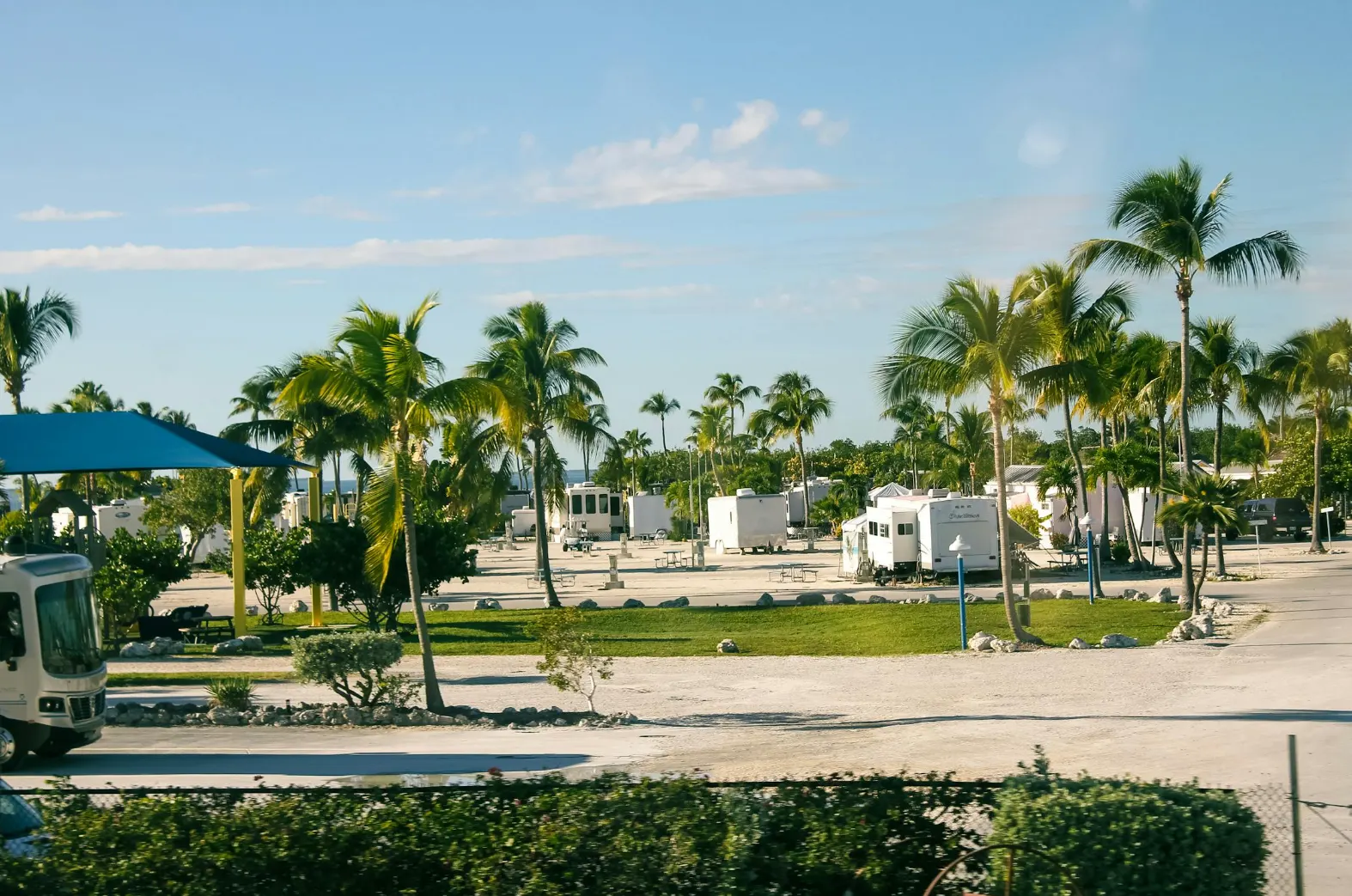
Luxury RV Park