Introduction
America’s New Real Estate Frontier
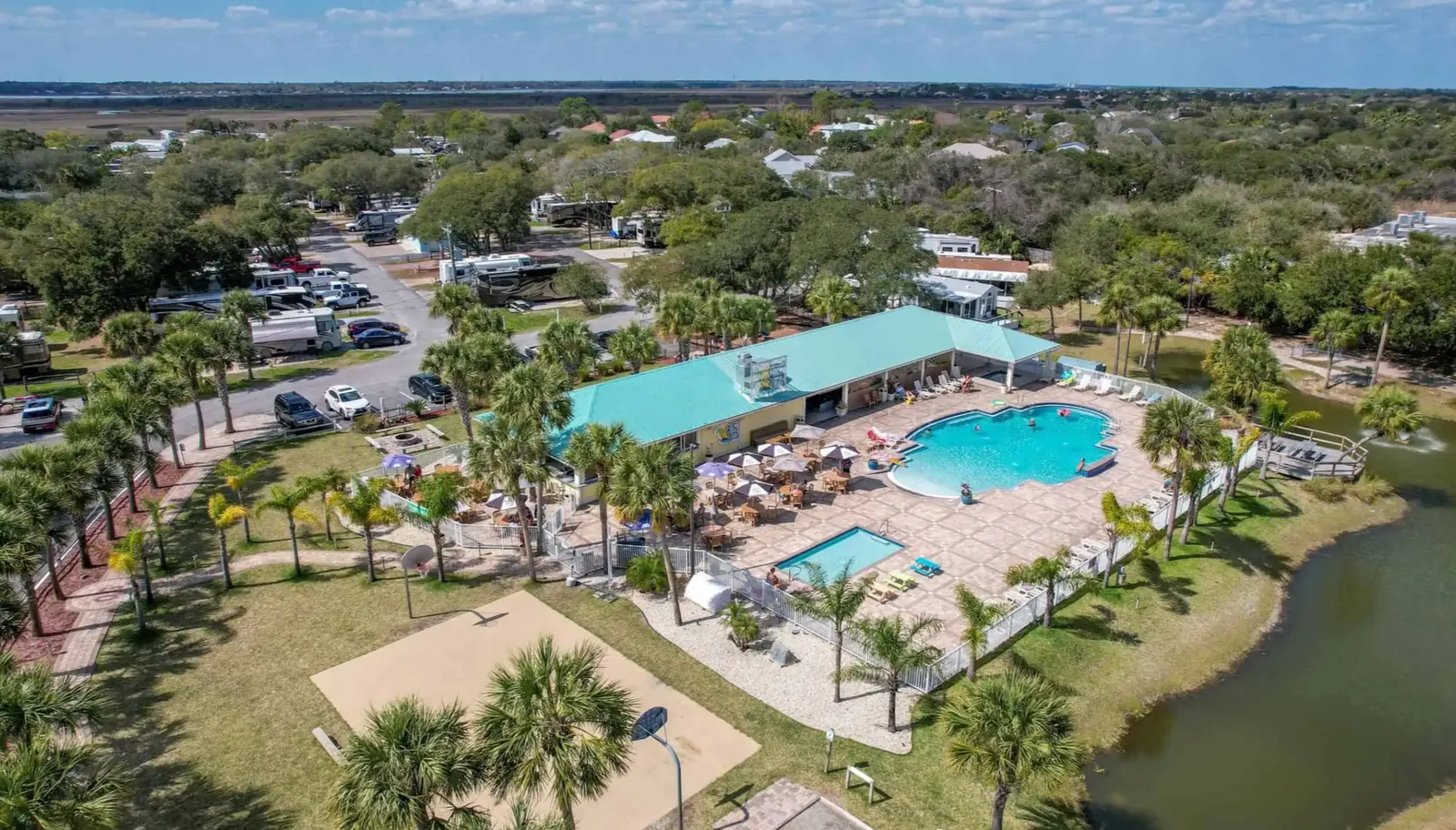
In 2025, the U.S. real estate landscape is undergoing a profound transformation. As traditional asset classes such as office and urban retail face mounting structural challenges, developers and capital allocators are increasingly exploring alternative property types, none more compelling or dynamic than luxury RV resorts and outdoor hospitality parks.
What began during the pandemic-era mobility shift has now matured into a full-blown real estate asset class, underpinned by rising RV ownership, hybrid work culture, and a nationwide surge in demand for immersive, nature-driven travel. From an investor’s standpoint, RV parks now offer a unique combination of high yield, scalable development models, and geographic flexibility. From an architectural point of view, these resorts represent fertile ground for innovation, blending modularity, sustainability, and user-centered design.
This report presents a deep-dive forecast into this booming sector, with a special focus on seven underrated U.S. counties that are rapidly emerging as prime territories for luxury RV and glamping resort development.
Macro-Level Property Market Outlook: 2025 Capital, Consumer, and Construction Trends
The 2025 commercial real estate outlook, as presented by multiple institutional research sources (including the Commercial Observer and CBRE), reveals a mixed but cautiously optimistic market environment:
Retail and Industrial Strength
Retail continues its steady recovery post-pandemic, especially in suburban and exurban areas. Retail vacancy remains under 5% nationally, thanks to rising consumer demand, adaptive reuse projects, and robust foot traffic in lifestyle-oriented retail corridors. At the same time, the industrial sector shows persistent strength, with continued warehouse absorption and increased demand for logistics infrastructure. This performance indirectly supports RV development, as retail-adjacent and flex-use sites are often rezoned for mixed hospitality models, including RV and glamping parks.
Interest Rates and Lending Conditions
The Federal Reserve’s series of rate hikes through 2023 and 2024 tightened liquidity, making speculative construction loans more difficult to secure. However, after pausing in late 2024 and introducing a small rate cut in Q1 2025, the market has seen a modest improvement in lending conditions, particularly for low-leverage, cash-flow-oriented projects like RV parks. Most developers are securing financing through non-bank lenders, credit unions, and specialty private funds, with interest rates ranging from 7.25% to 8.5%, depending on project risk and location.
Investor Behavior and Alternative Asset Classes
Family offices, REITs, and boutique private equity funds are increasingly drawn to outdoor hospitality assets. The attraction lies in cap rates between 8% and 11%, low operating overhead, and the growing consumer preference for experiential travel. Investors are also diversifying their portfolios away from urban multifamily and core office toward land-rich, hospitality-driven models that blend real estate and tourism.
Key Drivers of the RV Resort Development Boom
1. Demographic Tailwinds and Migration Shifts
The U.S. is witnessing an unprecedented demographic transition. Young professionals and families are leaving high-cost urban cores for smaller cities and rural counties that offer affordability, quality of life, and open space. Meanwhile, retirees are relocating to warmer, tax-friendly states. This dual migration has created sustained demand for flexible, mobile, nature-based lodging, including high-end RV parks.
According to the U.S. Census Bureau, over 1.2 million people moved from major metropolitan areas to secondary counties in 2024 alone. These migration corridors, often along interstate highways or near national parks, are ideal locations for new RV park developments.
2. Record RV Ownership and Rising Usage
The RV Industry Association reports that RV ownership has reached an all-time high, with over 11.6 million U.S. households owning an RV. First-time buyers are younger and wealthier than in previous decades, with many seeking luxury amenities, connectivity, and curated experiences rather than bare-bones campgrounds.
3. Retail Site Repurposing and Land Repositioning
Dead malls, vacant big box stores, and underused suburban retail centers are being rapidly repositioned as lifestyle developments. These sites are often zoned commercial or mixed-use and come with existing utility access and road frontage, making them ideal candidates for urban-edge RV resorts.
4. Flexible Zoning and Public Incentives
Many counties have recognized the economic impact of tourism and RV travel. As such, they are loosening zoning codes, fast-tracking outdoor hospitality projects, and even offering property tax abatements, water/sewer grants, and workforce subsidies. States like Texas, Florida, North Carolina, and Utah have become leaders in pro-developer legislation for outdoor lodging concepts.
Architectural Innovation: Designing the Luxury RV Park of 2025
Luxury RV resorts are no longer low-investment, gravel-paved lots. In 2025, design plays a central role in guest satisfaction, branding, and long-term value. The new wave of parks is being shaped by three core architectural principles:
1. Modularity and Scalability
Resorts are now planned with modular pads and plug-and-play site plans. Owners can phase construction, starting with 30–50 sites, then expanding to 150+ pads, cabins, and glamping units. Architects are designing utility systems (power, water, septic) to be scalable and minimally disruptive.
2. Nature-Integrated and Sustainable Design
Top-tier resorts embrace local geography and climate. In desert regions, architects use rammed earth walls, xeriscaping, and passive cooling. In mountainous or wooded regions, elevated platforms, native stone, timber frames, and green roofs are becoming common. Sustainable infrastructure, such as solar power arrays, greywater systems, and composting waste systems, are also key selling points for eco-conscious travelers.
3. Experiential Programming and Amenity Architecture
Amenities are no longer afterthoughts. Today’s parks include coworking lounges, yoga decks, spas, event barns, food truck courts, and stargazing platforms. Layouts are designed for walkability, privacy, and community gathering, with central pavilions acting as social hubs. Smart technology, such as app-based check-in, security cameras, and Wi-Fi boosters, is fully integrated into site planning.
Top 7 Underrated U.S. Counties for RV Resort Development in 2025
Below are the seven most promising counties for RV resort development, each offering a unique mix of growth, accessibility, tourism demand, and favorable regulations.
1. Washington County, Utah
Metro Area: St. GeorgePopulation Growth (2023): +4.5%Tourism Corridor: Zion National Park
This southern Utah county is rapidly becoming a tourism and retirement hub. With direct highway access to major national parks and a dry, mild climate, Washington County combines natural beauty with development readiness.
**Architectural Characteristics:**Desert modernism dominates, featuring adobe tones, steel and wood hybrids, shade structures, and LEED-certified buildings. Developers are blending off-grid cabins, shaded RV pads, and wellness-focused amenities like spas and hot springs.
**Financial Snapshot:**Luxury RV parks here report occupancy rates of 72–78%, with ADRs reaching $100/night in peak season. Land is still affordable, with parcels averaging $2.75/sq. ft. for development-ready acreage.
2. Montgomery County, Texas
Metro Area: Houston (North Suburbs)Retail Sales Growth (2024): +9.3%Natural Feature: Lake Conroe
This county is at the nexus of Houston’s suburban expansion and inland lake tourism. With a growing retiree base and rising foot traffic from adjacent lifestyle centers, it’s ideal for resort RV parks targeting long-stay visitors.
**Architectural Characteristics:**Waterfront-themed designs are common, including boardwalks, boat slips, covered RV shelters, and open-air clubhouses. Southern vernacular styles, think wide porches, pergolas, and painted wood, are blended with resort-grade finishes.
**Financial Snapshot:**Premium waterfront sites command over $110/night, with cap rates averaging 8.4%. Zoning boards are increasingly receptive to mixed-use developments that incorporate retail and hospitality components.
3. El Paso County, Colorado
Metro Area: Colorado SpringsEconomic Base: Aerospace, Tourism, Outdoor Recreation
El Paso County offers a strong mix of outdoor recreation appeal and population stability. Its proximity to Denver and abundant trails makes it a magnet for adventure travelers and hybrid workers.
**Architectural Characteristics:**Designs focus on four-season resilience. Geothermal heating, pitched roofs for snow management, and alpine-modern cabins with stone cladding and expansive glass are common. Resort layouts emphasize viewsheds and sun orientation.
**Financial Snapshot:**Strong seasonal yields and higher-than-average land appreciation (7–9%) make this a solid long-term investment county.
4. Kootenai County, Idaho
Metro Area: Coeur d’AleneMigration Index: Top 5 U.S. counties for net migration
Known for its pristine lakes and alpine charm, this county has emerged as a second-home hotspot for West Coast transplants. The local government is pro-development and tourism-oriented.
**Architectural Characteristics:**Scandinavian-modern cabins, timber-framed pavilions, lakeside saunas, and hot tub decks are popular. Many developments now integrate eco-glamping domes, RV slips, and tiny homes into one cohesive site plan.
**Financial Snapshot:**Cap rates exceed 10%, and the potential for off-grid or seasonal-use models reduces development costs.
5. Henderson County, North Carolina
Metro Area: AshevilleTourism Appeal: Blue Ridge Parkway, Wellness Retreats
Henderson County combines affordability with cultural richness. Its growing wellness and retirement tourism economy supports upscale RV resort development.
**Architectural Characteristics:**Designs often echo Appalachian lodge styles, with stone fireplaces, vaulted ceilings, and native timber. Developers are adding forest-view pads, artisan markets, and farm-to-table dining hubs.
**Financial Snapshot:**Occupancy sits at 68%, but average daily revenue per guest is rising due to premium amenity upcharges.
6. Polk County, Florida
Metro Area: Tampa–Orlando CorridorTraffic Increase on I-4: +18% since 2022
Centrally located with excellent highway access, this county is a natural fit for transient RV parks and long-stay snowbird communities.
**Architectural Characteristics:**Florida designs favor elevated pads, storm-hardened cabins, tiki-style pavilions, and palm-lined landscaping. High humidity requires mold-resistant and hurricane-compliant materials.
**Financial Snapshot:**Winter ADRs top $115, with high off-season retention thanks to digital nomads. Zoning reforms have made glamping/RV combinations easier to entitle.
7. Yavapai County, Arizona
Metro Area: Prescott/SedonaTourism Focus: Wellness, Spirituality, Red Rock Landscapes
Yavapai County is popular among wellness seekers, outdoor adventurers, and RV enthusiasts exploring Sedona and the Verde Valley.
**Architectural Characteristics:**Designs incorporate adobe forms, rammed earth walls, earth-tone stucco, and Zen garden landscaping. Developers frequently include yoga platforms, meditation trails, and wellness cafes.
**Financial Snapshot:**Developments here enjoy high ADRs ($125–140) and attract longer bookings during spring and fall shoulder seasons.
Conclusion:
The Future Is Mobile, Modular, and Experiential
Luxury RV parks are no longer just a lifestyle product, they are a high-performing, design-driven real estate investment class. With consumer preferences shifting toward authenticity, flexibility, and outdoor wellness, RV resorts represent the convergence of tourism, modular construction, placemaking, and strong returns.
The next generation of resorts will rely on architectural intelligence, regulatory creativity, and financial rigor to unlock their full value. The seven counties profiled here offer the perfect starting points for forward-thinking developers and investors who want to be on the leading edge of America’s next land-use boom.